Introduction
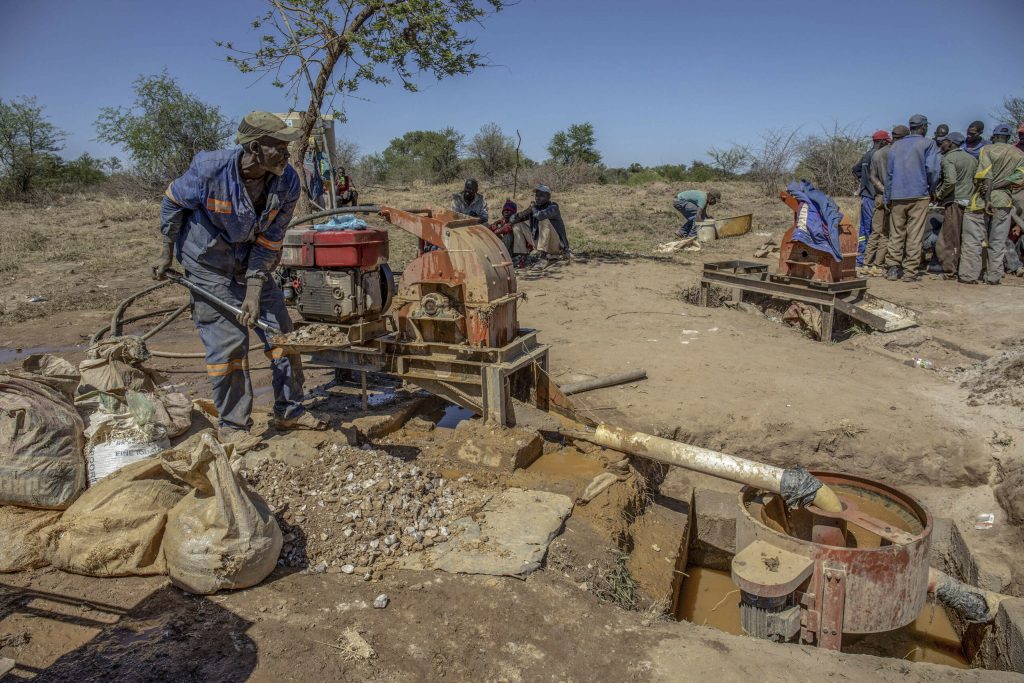
Artisanal and small-scale mining (ASM) is a significant sector in Zambia, contributing to employment, local economies, and mineral production. To operate legally, artisanal miners must obtain a mining license from the Ministry of Mines and Minerals Development.
A mining license provides legal protection and outlines specific rights and responsibilities. Understanding these obligations ensures compliance, environmental stewardship, and sustainable mining operations.
1. What is an Artisanal Mining License?
An artisanal mining license is a legal document authorizing individuals or small groups to prospect, extract, and process minerals on designated areas. These licenses are aimed at promoting responsible small-scale mining while ensuring safety, environmental protection, and fair resource management.
Types of Licenses
- Prospecting License: Allows exploration of a specific area for minerals.
- Small-Scale Mining License: Authorizes extraction and processing of minerals in a defined area.
2. Rights of an Artisanal Mining License Holder
a) Legal Access to Mining Areas
License holders have the right to access and operate within the boundaries of the licensed area without interference from third parties, as long as operations remain within legal limits.
b) Right to Extract Minerals
Holders can extract minerals authorized under the license, such as gold, gemstones, and industrial minerals, following approved mining plans.
c) Right to Sell and Market Minerals
License holders can sell minerals legally through registered channels, including Zambian smelters or licensed buyers, ensuring revenue generation and market recognition.
d) Protection Against Illegal Mining
License holders are legally protected against encroachment by unlicensed miners and can report violations to authorities.
e) Access to Government Support
Licensed artisanal miners may access technical support, training programs, and funding initiatives provided by the government or mining associations.
3. Responsibilities of an Artisanal Mining License Holder
a) Compliance with Mining Regulations
Miners must operate in accordance with the Mines and Minerals Development Act and other regulations, including safety, environmental, and labor requirements.
b) Environmental Protection
- Rehabilitate mined areas after extraction
- Avoid contamination of water sources and soil
- Manage waste responsibly
c) Payment of Fees and Royalties
License holders are required to pay:
- Annual license fees
- Royalties on mineral production
- Other applicable statutory contributions
d) Accurate Record-Keeping
Maintain records of mineral production, sales, and operational activities. Proper documentation helps in reporting to authorities and complying with tax obligations.
e) Safety and Health Compliance
- Provide protective equipment for workers
- Implement basic safety protocols
- Minimize accidents and occupational hazards
f) Reporting Obligations
Submit periodic reports to the Ministry of Mines on production, environmental management, and social responsibilities.
4. Benefits of Holding a Mining License
- Legal Protection: Operate without fear of prosecution for illegal mining
- Access to Formal Markets: Sell minerals through recognized channels
- Support and Training: Gain access to government and industry programs
- Economic Empowerment: Generate legal income for miners and local communities
- Sustainable Mining: Encourages responsible and environmentally-friendly practices
5. Common Challenges for Artisanal Miners
- High Compliance Costs: License fees, royalties, and safety measures may strain small-scale operations
- Environmental Management: Maintaining environmental standards requires knowledge and resources
- Illegal Mining Encroachment: Unauthorized miners may still pose a challenge despite legal protection
- Market Access: Navigating formal mineral markets can be complex without proper guidance
6. Tips for Successful Compliance
- Apply for licenses through the Ministry of Mines and Minerals Development
- Attend government or NGO training programs on ASM best practices
- Keep accurate records of production, sales, and expenses
- Implement environmental protection measures on-site
- Engage local communities to ensure social responsibility and minimize conflicts
Conclusion
Holding an artisanal mining license in Zambia grants both rights and responsibilities. While license holders gain legal protection, market access, and government support, they must also comply with environmental, safety, and reporting obligations.
By understanding and adhering to these rights and responsibilities, artisanal miners can operate sustainably, generate legal income, and contribute positively to Zambia’s mining sector and local communities.