.png)
1. Understanding Artisanal and Small-Scale Mining (ASM)
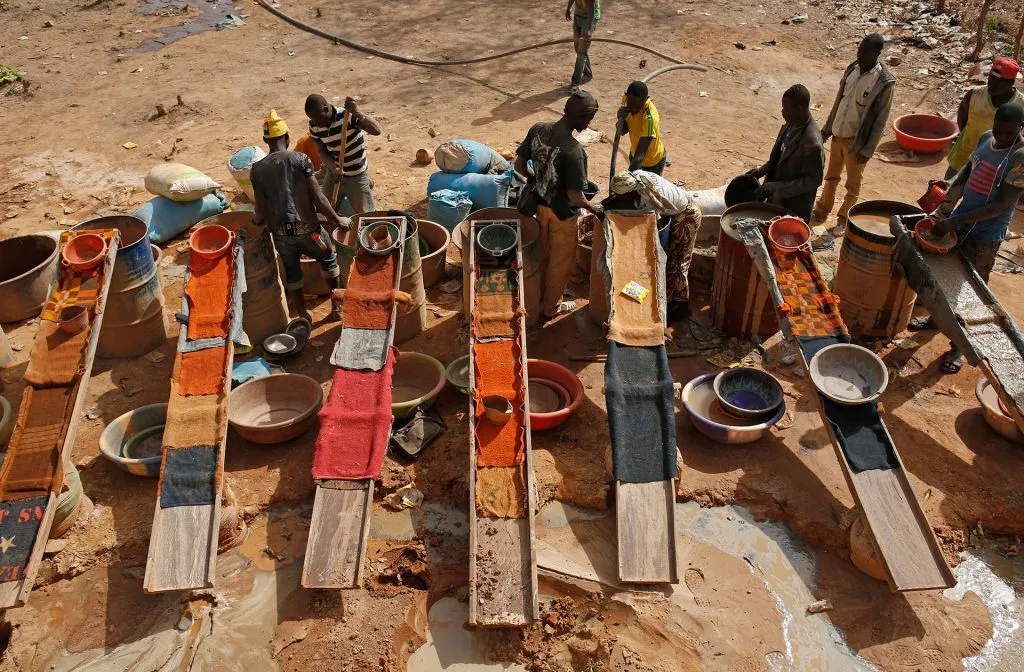
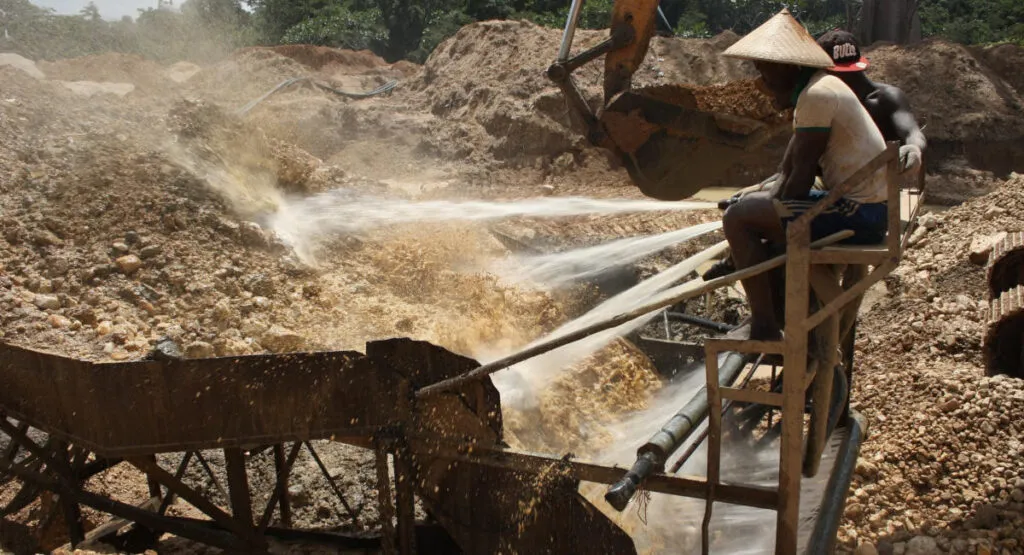
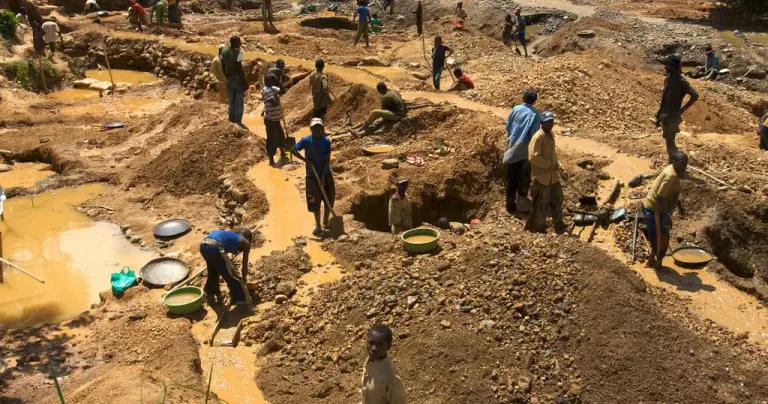
Artisanal and Small-Scale Mining (ASM) refers to mining operations that are often low-tech, labor-intensive, and managed by individuals, families, or small groups using simple tools and limited mechanization. In Zambia, ASM covers a wide range of minerals including gold, manganese, gemstones, and limestone.
Unlike large-scale mining companies that operate under major capital investment and modern machinery, ASM provides employment to thousands of Zambians, especially in rural areas. It serves as a vital source of income for communities and contributes significantly to local economies.
2. The Role of ASM in Zambia’s Economy
ASM contributes meaningfully to Zambia’s GDP and foreign exchange earnings through mineral exports. It is also a key part of the country’s poverty reduction strategy, as it provides opportunities for youth and women who may not have access to formal employment.
In provinces such as Central, Eastern, Luapula, and North-Western, small-scale miners extract minerals that are later sold to local buyers or exported through licensed dealers. According to the Ministry of Mines and Minerals Development (MMMD), ASM accounts for a large share of gemstone and gold production.
3. Legal Framework Governing ASM in Zambia
ASM activities in Zambia are regulated under the Mines and Minerals Development Act No. 11 of 2015. Every person or cooperative engaged in mining must hold a valid mining right or permit issued by the Ministry of Mines. The key permits include:
-
Artisanal Mining License (AML): For individuals or small groups mining using basic tools with minimal mechanization.
-
Small-Scale Mining License (SML): For more organized groups or cooperatives with moderate investment and machinery.
-
Mineral Trading Permit: Required for anyone buying or selling minerals legally within Zambia.
Failure to obtain a license or permit can lead to confiscation of minerals, fines, or imprisonment.
4. How to Register for an ASM License
To formalize operations and mine legally, artisanal and small-scale miners must apply for the appropriate license through the Mining Cadastre Department. The steps include:
-
Identify a Mining Area: Conduct a preliminary assessment of the land to confirm mineral availability and ownership.
-
Submit an Application: Apply online or in person at the Mining Cadastre Office with the required forms and supporting documents.
-
Provide a Site Plan and Coordinates: Include maps or GPS coordinates of the area to be mined.
-
Environmental and Safety Compliance: Obtain environmental approval from the Zambia Environmental Management Agency (ZEMA).
-
Pay Prescribed Fees: Fees vary depending on the license type and mineral being mined.
-
Receive License Approval: Once reviewed and approved, you will be issued an artisanal or small-scale mining license valid for a specific period (usually up to 10 years).
Operating under a license protects miners from legal risks and improves access to financial and technical support.
5. Opportunities in Artisanal and Small-Scale Mining
ASM offers vast opportunities for economic empowerment and community development. Some of the key opportunities include:
-
Gold Mining: Growing demand and rising prices make small-scale gold mining profitable in regions like Rufunsa, Petauke, and Mumbwa.
-
Gemstone Mining: Zambia is rich in emeralds, amethysts, aquamarine, and garnets, providing lucrative export potential.
-
Manganese and Industrial Minerals: These are used in construction and manufacturing, with increasing demand across Southern Africa.
-
Cooperative Development: Miners can form cooperatives to pool resources, access funding, and negotiate better prices for their minerals.
With proper management, ASM can become a foundation for inclusive growth in Zambia’s mining sector.
6. Challenges Facing ASM Operators
Despite its potential, ASM faces several challenges:
-
Lack of Access to Finance: Most small-scale miners lack the capital to buy modern equipment or fund exploration.
-
Limited Technical Skills: Many operate informally with little knowledge of geology, safety, or efficient extraction techniques.
-
Environmental Degradation: Poor waste disposal and land rehabilitation practices can harm ecosystems.
-
Market Access Issues: Middlemen often exploit miners by offering low prices due to lack of direct market connections.
-
Health and Safety Risks: Many miners work without protective gear or proper ventilation in pits and tunnels.
Addressing these challenges requires coordinated efforts between the government, financial institutions, and development partners.
7. Government Support and Development Programs
The Zambian government, through the Ministry of Mines, has introduced several initiatives to support ASM, such as:
-
Formalization and Training: Programs to help informal miners register, form cooperatives, and access training in safety and mineral processing.
-
Mining Zones for ASM: Designation of special zones where small miners can operate legally without conflict with large-scale license holders.
-
Access to Finance: Partnerships with microfinance institutions and the Development Bank of Zambia to provide affordable credit to miners.
-
Technical Support: Assistance in surveying, mineral testing, and equipment leasing.
These efforts aim to turn ASM into a structured, sustainable, and profitable sub-sector of the economy.
8. Environmental and Social Responsibility
Responsible mining is essential for the long-term sustainability of ASM. Miners are encouraged to:
-
Use safer methods for mineral extraction and avoid the use of harmful chemicals like mercury.
-
Rehabilitate mined areas by refilling pits and planting trees.
-
Ensure fair labor practices and avoid child labor.
-
Work with local communities to minimize conflicts and share benefits.
Compliance with environmental regulations not only protects the planet but also improves eligibility for funding and partnerships.
9. Future Outlook of ASM in Zambia
The future of ASM in Zambia is promising. With growing global demand for gold and gemstones, the sector has immense potential for wealth creation. Government policy reforms are making it easier for small miners to access markets, technology, and credit facilities.
If formalization and capacity-building efforts continue, ASM could evolve into a fully regulated, profitable industry that complements large-scale mining and contributes significantly to Zambia’s Vision 2030 development goals.
10. Conclusion
Artisanal and Small-Scale Mining remains a cornerstone of Zambia’s rural economy. When properly regulated and supported, ASM can empower communities, generate employment, and boost export earnings.
By obtaining the right licenses, adopting sustainable practices, and leveraging government support, miners can transform ASM from survival-driven activity into a productive, legitimate, and thriving business sector. The future of Zambia’s mining industry depends not only on big corporations but also on the success of its small-scale miners working across the country’s rich mineral landscapes.