.png)

Introduction
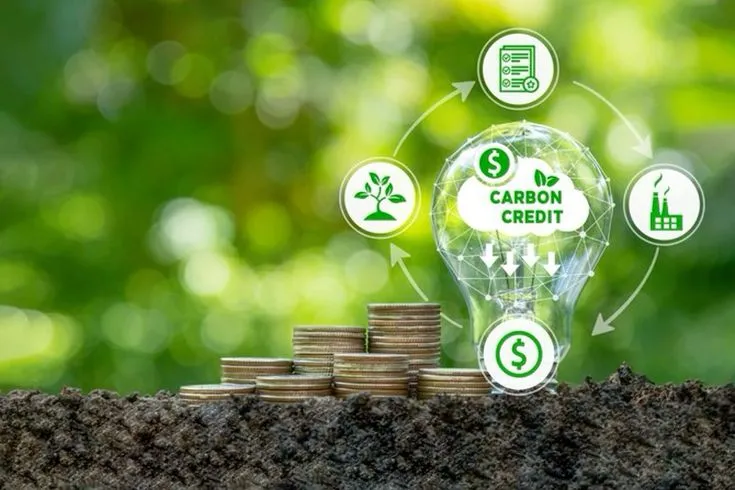
Climate finance is becoming one of the fastest-growing areas of investment globally, creating major opportunities for businesses operating in agriculture, renewable energy, and sustainability-focused sectors.
For Zambia, climate finance has become increasingly important as the country seeks to strengthen food security, improve energy access, and build resilience against climate-related risks. Agribusinesses and energy companies are now attracting growing attention from development finance institutions, impact investors, climate funds, and international lenders.
Businesses that align with sustainability goals and climate resilience priorities may gain access to funding opportunities that were previously unavailable through traditional financing channels.
As global investors place greater emphasis on environmental impact, Zambia’s green economy opportunities continue expanding.
Understanding Climate Finance
Climate finance refers to funding specifically directed toward projects that address climate related challenges or support environmental sustainability.
This may include investments in:
- Renewable energy
- Sustainable agriculture
- Water conservation
- Climate adaptation infrastructure
The objective is not only financial return but also measurable environmental and social impact.
Climate finance providers often prioritize projects capable of reducing emissions, improving sustainability, or strengthening climate resilience.
Why Climate Finance Is Growing in Zambia
Several factors are driving increased interest in Zambia’s climate-related sectors.
These include:
- Rising energy demand
- Agricultural vulnerability to climate change
- Global sustainability investment trends
- Expanding renewable energy opportunities
International institutions and investors are increasingly looking for projects that align with global climate and development goals.
This creates significant opportunities for local businesses prepared to operate sustainably and transparently.
Opportunities in Agribusiness
Agriculture remains one of Zambia’s most important economic sectors, but climate variability continues affecting productivity and food security.
Climate finance can support agribusinesses through:
- Irrigation systems
- Climate-smart farming technologies
- Sustainable supply chains
- Renewable-powered agricultural operations
Businesses adopting environmentally sustainable practices may improve their eligibility for green financing programs.
Renewable Energy Investment Potential
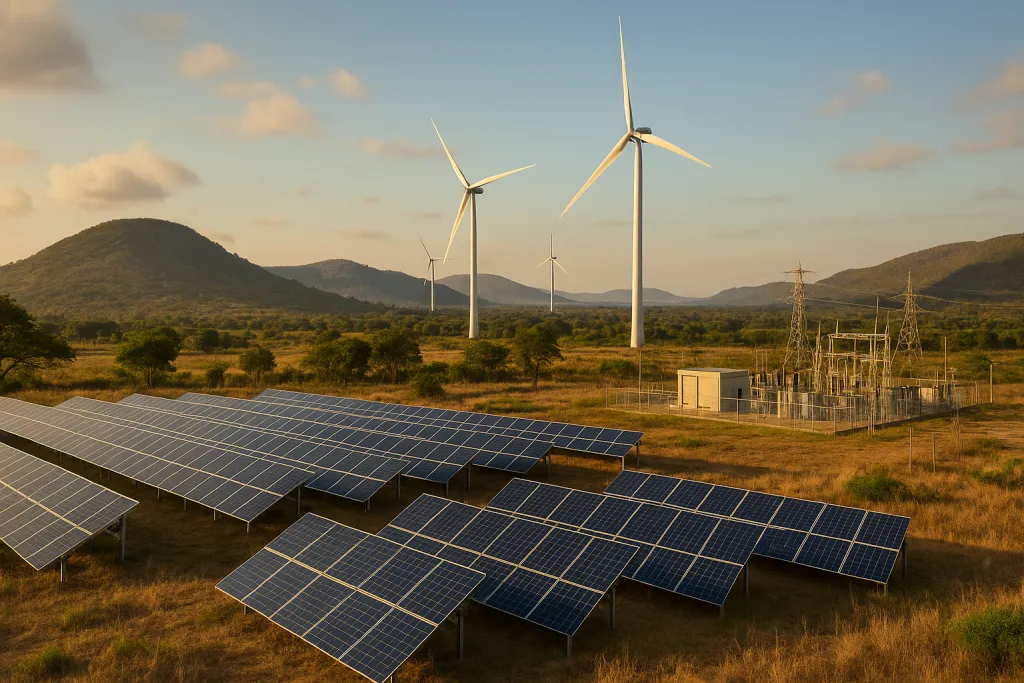
Energy infrastructure remains another major focus area for climate finance.
Zambia’s renewable energy opportunities include:
- Solar energy projects
- Mini-grid systems
- Biomass energy solutions
- Rural electrification initiatives
As businesses and households seek more reliable power alternatives, investor interest in renewable energy continues growing.
Development finance institutions are particularly active in supporting clean energy projects across Africa.
Types of Climate Finance Available
Businesses may access climate-related funding through various structures.
Common financing sources include:
- Green bonds
- Development finance institutions
- Climate investment funds
- Impact investors
Some programs may also offer blended financing structures that combine grants, concessional loans, and private investment.
What Investors Look For
Climate finance providers evaluate both financial viability and environmental impact.
Businesses may need to demonstrate:
- Sustainability strategies
- Environmental impact metrics
- Long-term project viability
- Governance and reporting systems
Projects with measurable social and environmental benefits often attract stronger investor interest.
The Importance of ESG Standards
Environmental, Social, and Governance (ESG) considerations are becoming central to investment decisions.
Businesses seeking climate finance should strengthen:
- Environmental management systems
- Sustainability reporting
- Governance structures
- Community engagement practices
Strong ESG positioning can improve credibility with investors and development institutions.
Challenges Businesses May Face
Despite growing opportunities, climate finance can still be difficult to access.
Common challenges include:
- Complex application processes
- Extensive reporting requirements
- Limited technical expertise
- High project preparation costs
Businesses may need advisory support to navigate funding processes effectively.
Long-Term Economic Impact
Climate finance can contribute significantly to economic development by supporting:
- Energy security
- Agricultural productivity
- Job creation
- Environmental sustainability
As climate-related investment grows globally, Zambia’s green economy sectors may become increasingly attractive to regional and international investors.
Final Thoughts
Climate finance represents a major opportunity for Zambian agribusinesses and renewable energy projects seeking long-term growth capital. Businesses that align with sustainability priorities and strengthen ESG practices are likely to improve their competitiveness in the evolving investment environment.
The transition toward greener and more resilient economies is creating new financing pathways for businesses prepared to adapt strategically.
Call to Action
Agribusiness and energy companies should begin strengthening sustainability strategies, ESG reporting, and operational transparency to position themselves for emerging climate finance opportunities.