.png)
Introduction
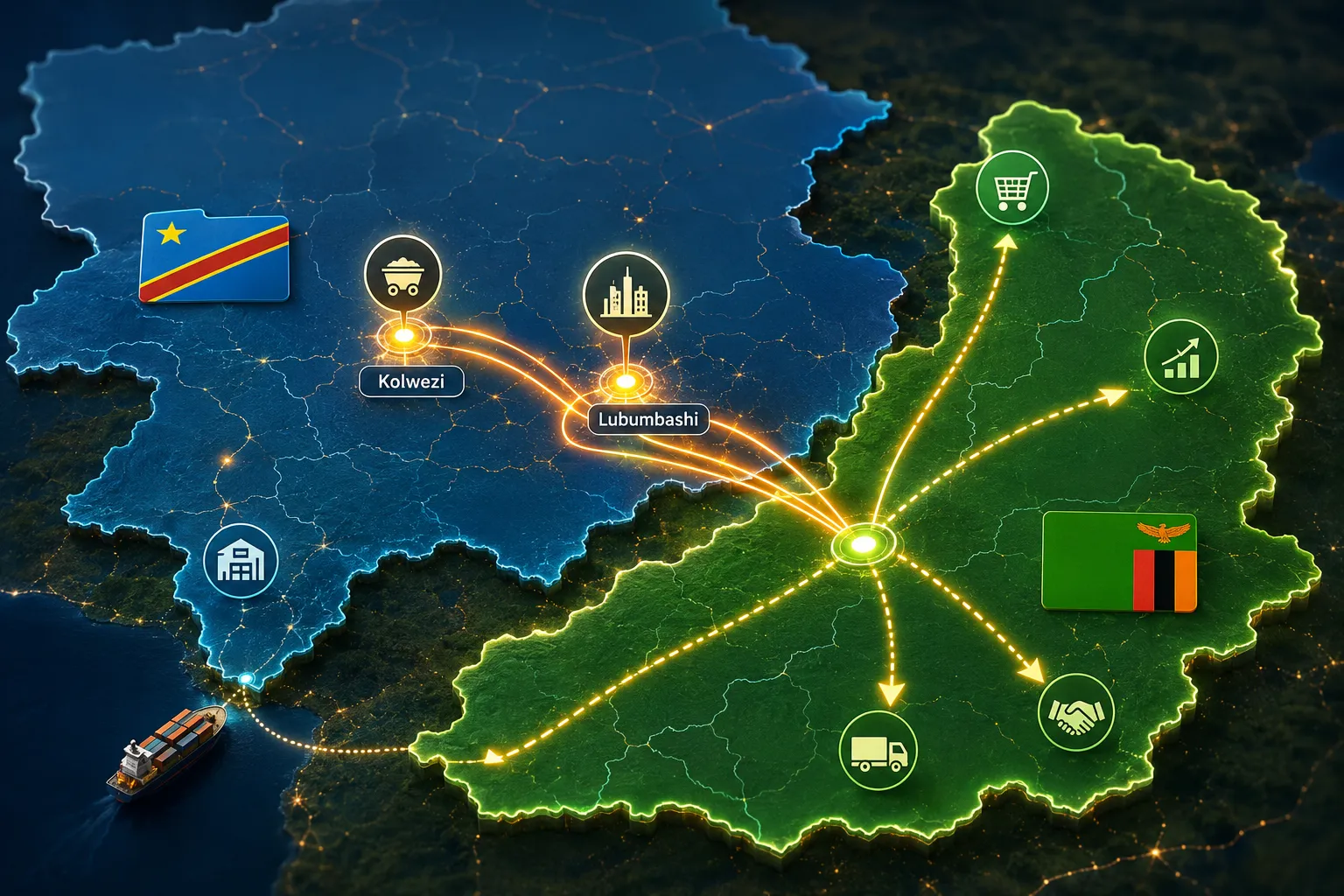
The Democratic Republic of Congo (DRC) represents one of the largest and most important regional trade opportunities for Zambian businesses. With a large population, growing urban centers, and increasing demand for goods and services, the DRC market continues attracting exporters, manufacturers, logistics providers, and investors from across the region.
For Zambia, geographic proximity creates a significant advantage. Border connectivity, existing trade relationships, and transport links make the DRC a natural expansion destination for many businesses.
However, entering the DRC market successfully requires more than simply transporting products across the border. Businesses must understand market dynamics, regulatory systems, logistics realities, and customer behavior to compete effectively.
Why the DRC Market Matters
The DRC’s growing economy creates demand across multiple sectors.
Opportunities exist in:
- Consumer goods
- Construction materials
- Agriculture products
- Logistics services
- Industrial supplies
Urbanization and infrastructure development are also increasing demand for imported products and regional trade partnerships.
For Zambian businesses, the DRC offers both scale and proximity advantages.
Understanding Market Entry Challenges
Although the opportunity is significant, businesses must prepare carefully for market entry.
Common challenges include:
- Regulatory complexity
- Customs procedures
- Logistics costs
- Payment risks
Businesses that underestimate operational challenges often struggle despite strong product demand.
Thorough preparation and local market understanding are essential.
Choosing the Right Market Entry Strategy
Different businesses require different entry approaches depending on size, sector, and operational capacity.
Common strategies include:
- Direct exporting
- Local distribution partnerships
- Joint ventures
- Establishing local operations
Smaller businesses often begin with distribution partnerships before investing in physical presence.
Building Strong Local Partnerships
Relationships are extremely important in regional trade.
Reliable local partners can assist with:
- Market access
- Customer networks
- Regulatory navigation
- Distribution systems
Choosing the right local partner can significantly reduce operational risk and improve market penetration.
Logistics and Supply Chain Planning
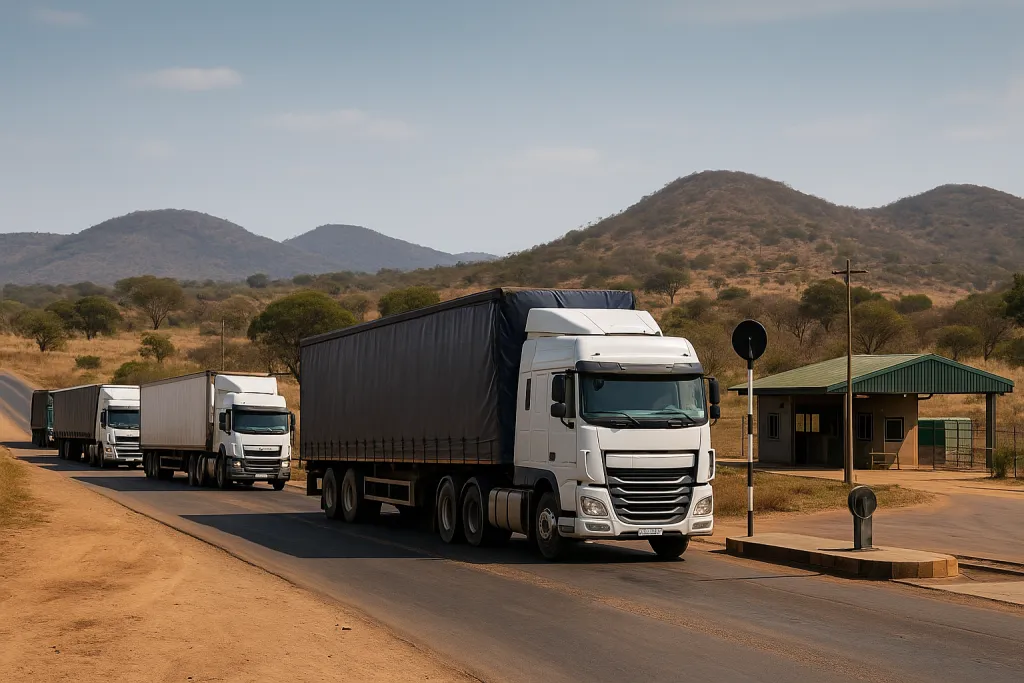
Cross-border logistics are a major factor in profitability.
Businesses should carefully evaluate:
- Freight costs
- Border clearance timelines
- Warehousing requirements
- Transport reliability
Supply chain inefficiencies can quickly erode margins if not managed effectively.
Managing Payment and Currency Risk
Cross-border trade also introduces payment risks.
Businesses should establish clear policies regarding:
- Payment terms
- Currency denomination
- Credit exposure
- Collections processes
Some exporters prefer advance payments or structured trade finance solutions to reduce risk.
Understanding Consumer and Business Demand
Businesses entering the DRC should avoid assuming customer preferences mirror Zambia’s market.
Research should focus on:
- Pricing expectations
- Product demand patterns
- Competitive positioning
- Distribution behavior
Market adaptation often improves competitiveness significantly.
Regulatory and Compliance Considerations
Exporters must ensure compliance with:
- Customs regulations
- Product standards
- Tax obligations
- Licensing requirements
Strong compliance processes reduce delays and operational disruptions.
Long-Term Growth Potential
The DRC remains one of the region’s most important long-term trade opportunities.
As regional trade integration improves, demand for:
- Consumer products
- Infrastructure services
- Industrial supplies
- Logistics solutions
is expected to increase further.
Businesses that establish strong market positioning early may gain long-term competitive advantages.
Final Thoughts
The DRC offers major opportunities for Zambian businesses seeking regional growth, but success requires preparation, adaptability, and strategic execution.
Companies that understand local market conditions, manage risk effectively, and build strong partnerships are more likely to succeed in this high-potential market.
Call to Action
Businesses exploring the DRC market should invest in market research, logistics planning, and local partnerships before scaling cross-border operations.