.png)
Introduction: Zambia at the Centre of the Opportunity
Zambia sits on one of the most strategic resource positions in the global energy transition.
It holds the minerals that power electric vehicles, renewable energy storage, and modern battery systems, particularly copper, a core component in electrification.
Yet the highest-value part of the chain does not happen in Zambia.
It happens in China, where those minerals are processed, refined, and turned into battery components and finished products.
That gap, between extraction and manufacturing, is not just a structural imbalance. It is one of the largest investment opportunities in Africa today.
1. Zambia’s Strategic Advantage: Resources That Matter
Zambia’s mining sector has long been anchored in copper, but its importance is increasing in a decarbonizing world.
Copper is essential for:
- Electric vehicles
- Renewable energy systems
- Transmission infrastructure
Combined with regional access to other battery minerals, Zambia is well positioned to be more than a raw material supplier.
It has the potential to become a critical node in the global battery value chain.
2. Where the Value Really Sits
The battery value chain can be simplified into three stages:
- Extraction – mining raw materials
- Processing – refining and chemical conversion
- Manufacturing – producing battery cells and components
Zambia is strong in the first stage. China dominates the second and third.
The difference in value capture is significant.
- Extraction generates revenue
- Processing multiplies it
- Manufacturing captures the highest margins
The current structure leaves Zambia capturing only a fraction of the total economic value.
3. Why China Leads in Battery Manufacturing
China’s dominance is built on:
- Large-scale industrial capacity
- Integrated supply chains
- Government-backed industrial policy
- Long-term investment in processing infrastructure
This has allowed it to move beyond raw materials into full-scale battery production.
For countries like Zambia, the challenge is not just competing, but participating more meaningfully in this value chain.
4. The Investment Gap: Where Opportunity Lives
The gap between Zambia’s resource base and China’s manufacturing dominance defines the opportunity.
Key investment areas include:
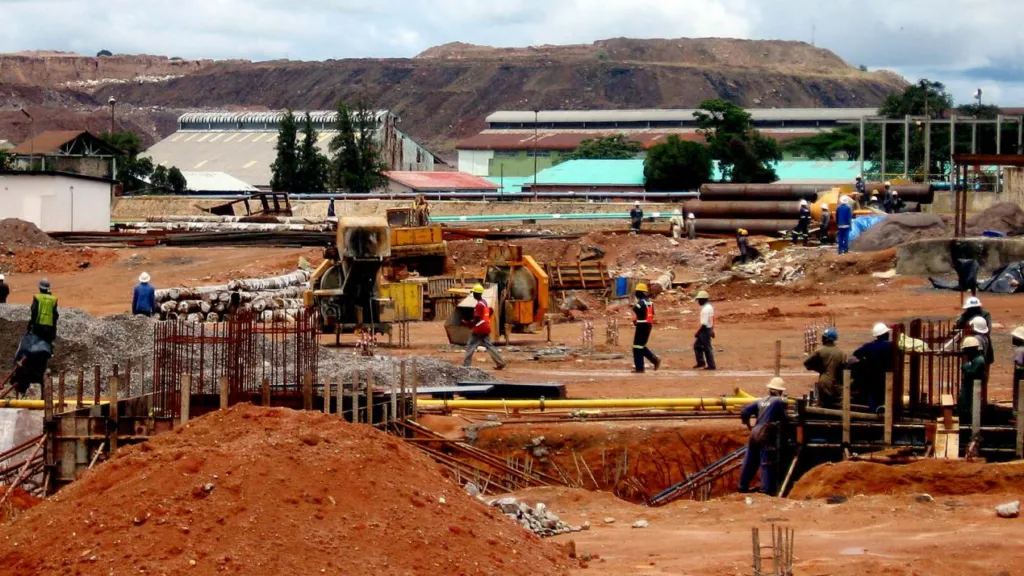
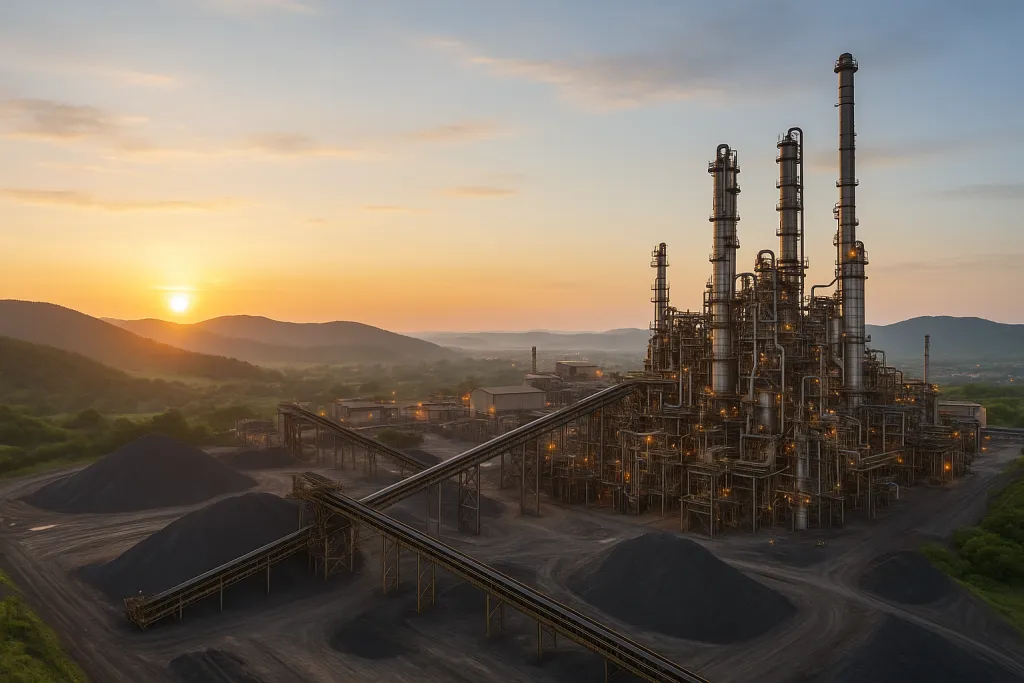
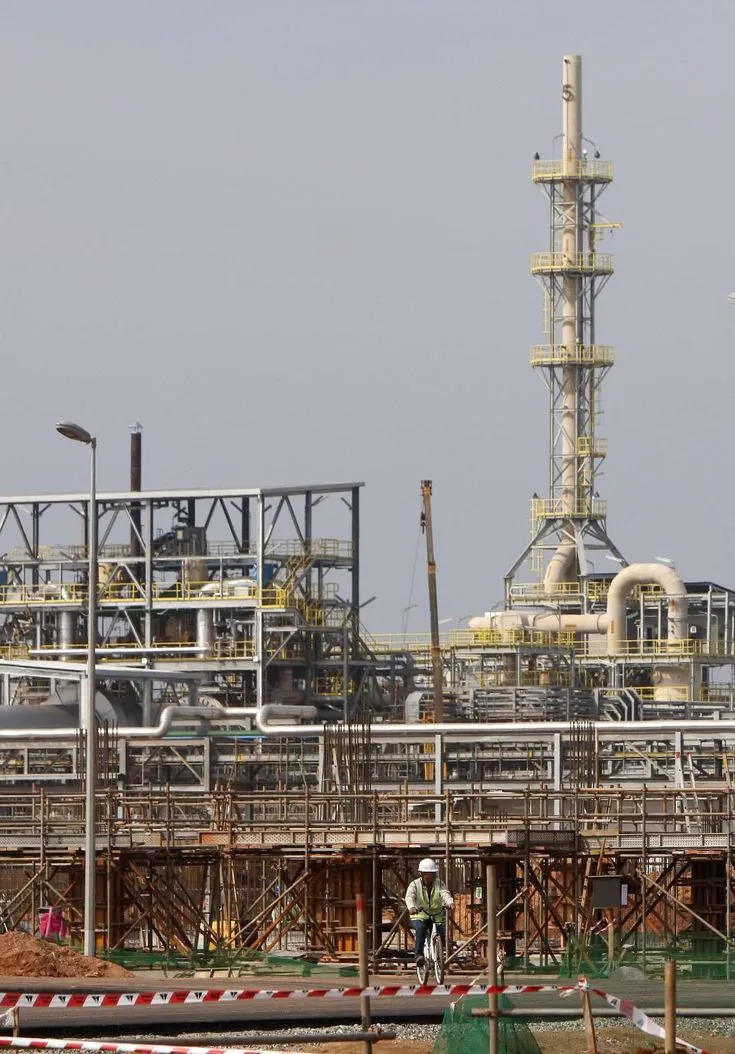
- Mineral processing plants (refining copper and other inputs)
- Battery precursor production
- Industrial zones focused on energy materials
- Logistics and supply chain infrastructure
These are not speculative opportunities. They are necessary steps if Zambia is to move up the value chain.
5. Policy Direction Is Supporting the Shift
Zambia has shown increasing intent to:
- Attract investment into value addition
- Strengthen local processing capabilities
- Position itself within regional industrial strategies
While challenges remain, the policy direction is aligned with capturing more value domestically.
6. The Regional Advantage
Zambia does not operate in isolation.
It is part of a broader regional ecosystem that includes:
- Democratic Republic of the Congo (cobalt and copper)
- Other Southern African markets contributing to the supply chain
This creates the potential for a regional battery minerals corridor, where multiple countries contribute to a more integrated value chain.
7. The Barriers to Closing the Gap
Despite the opportunity, several challenges remain:
- High capital requirements for processing infrastructure
- Energy constraints and power reliability
- Skills and technical capacity gaps
- Global competition from established manufacturing hubs
These barriers explain why the gap persists, but they also define where investment is needed.
8. Why This Is a Long-Term Play
Moving from extraction to manufacturing does not happen quickly.
It requires:
- Significant capital investment
- Policy consistency
- Infrastructure development
- Skilled workforce growth
For investors, this is not a short-term trade. It is a long-term industrial strategy.
Conclusion: From Resource Wealth to Industrial Power
Zambia’s position in the battery minerals value chain is both strong and incomplete.
It has the resources the world needs, but not yet the full capacity to capture their value.
The gap between mining and manufacturing is where the real opportunity lies.
If Zambia can move even partway up the value chain, the economic impact would be significant, not just for the country, but for the region.
Call to Action
The future of battery minerals will not be defined by extraction alone. It will be shaped by who processes, refines, and manufactures.
Investors, policymakers, and businesses should focus on building the infrastructure and capabilities that move Zambia up the value chain.
Engage with opportunities in processing, partner with regional stakeholders, and position early within this evolving industrial landscape in Zambia.
Build capacity. Capture value. Lead the next phase of the energy economy.