.png)

Introduction: A Shift in Investor Attention
For years, Zambia was viewed through a narrow lens, commodity dependence, fiscal pressure, and external vulnerability.
That perception is changing.
Zambia is increasingly attracting long-term, strategic capital, not speculative flows, but investors willing to commit over extended horizons.
This shift is not driven by a single factor. It is the result of multiple structural changes aligning at the same time.
1. Debt Restructuring Has Reset the Narrative
Zambia’s debt restructuring process marked a turning point.
- It restored a degree of fiscal credibility
- It signaled willingness to engage with international partners
- It reduced uncertainty around sovereign risk
For long-term investors, this matter. Stability does not need to be perfect, but it must be directionally improving.
2. Copper Demand Is Structurally Rising
Copper remains central to Zambia’s economy, but its global importance has increased.
- Electrification and renewable energy are driving demand
- Electric vehicles require significantly more copper than traditional vehicles
- Infrastructure expansion is copper-intensive
This is not a short-term price cycle. It is a long-term demand trend, giving investors greater confidence in future revenue streams.
3. Position in the Battery Minerals Supply Chain
Zambia is not just a copper producer, it is part of a broader battery minerals ecosystem.
With proximity to major mineral producers like the Democratic Republic of the Congo, Zambia is positioned as a:
- Logistics hub
- Processing base
- Investment coordination point
This places the country within a global supply chain that is expected to expand significantly over the coming decades.
4. Undervalued Entry Points
Compared to more mature markets, Zambia offers:
- Lower asset valuations
- Less crowded sectors
- Early-stage opportunities in emerging industries
For long-term investors, this creates the potential for asymmetric returns, higher upside relative to entry cost.
5. Policy Direction Toward Value Addition
There is a growing emphasis on moving beyond raw material exports.
Policy signals increasingly support:
- Local processing and beneficiation
- Industrial development
- Greater participation in value chains
While execution will take time, the direction aligns with long-term investment strategies focused on value capture rather than extraction alone.
6. Regional Positioning Strengthens the Case
Zambia’s geographic location enhances its strategic importance.
- It connects multiple Southern African markets
- It serves as a link between inland production and export routes
- It is positioned within key regional trade corridors
This makes Zambia more than a domestic market, it is a regional platform.
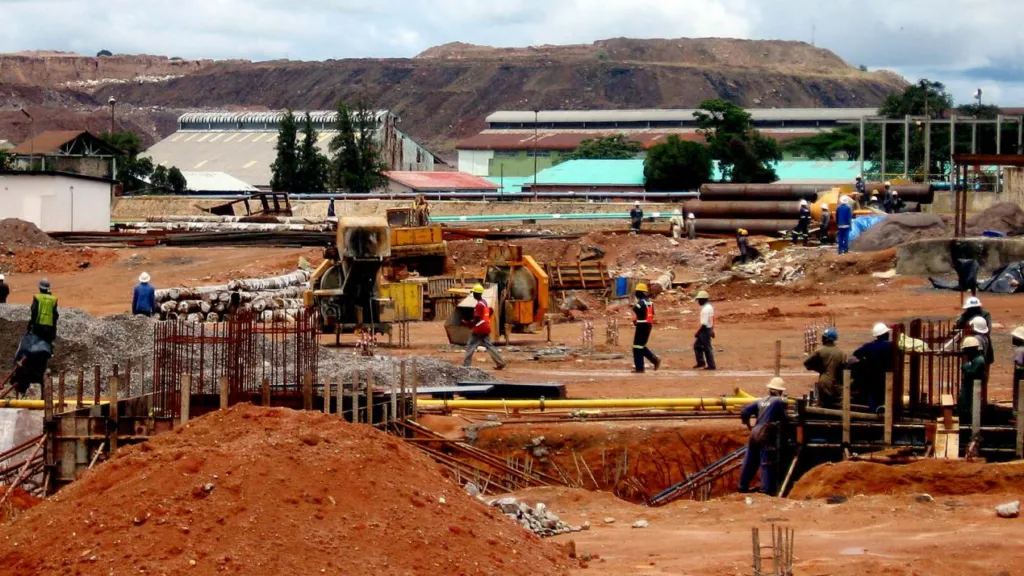
7. Infrastructure Needs Create Investment Opportunities
Infrastructure gaps remain, particularly in:
- Energy
- Transport
- Logistics
For long-term investors, these gaps are not just challenges, they are investment opportunities.
Capital deployed into infrastructure often benefits from:
- Long-term revenue streams
- High barriers to entry
- Strategic importance within the economy
8. A Market Suited to Patient Capital
Zambia is not a short-term, quick-exit market.
It rewards investors who:
- Take a long-term view
- Build operational capacity
- Structure investments carefully
- Engage with local dynamics
This naturally attracts private equity, strategic investors, and development-oriented capital rather than purely speculative funds.
9. Risks Remain, but Are Better Understood
Zambia still presents challenges:
- Currency volatility
- Infrastructure constraints
- Execution risks in large projects
However, these risks are increasingly visible and manageable, allowing investors to structure around them rather than avoid the market entirely.
Conclusion: From Risk Narrative to Opportunity Narrative
Zambia is transitioning from a market defined by risk to one defined by structured opportunity.
- Fiscal stability is improving
- Global demand for its key resources is rising
- Its role in regional and global supply chains is strengthening
For long-term investors, this combination is compelling.
Zambia is not the easiest market, but it is increasingly one of the most strategically positioned in Africa.
Call to Action
Long-term opportunity requires long-term thinking.
Investors and businesses should assess how Zambia fits into their broader strategy, particularly in sectors linked to resources, infrastructure, and value chains.
Engage early, structure investments carefully, and align with the country’s evolving economic direction in Zambia.
Invest with patience. Build with purpose. Capture long-term value.