.png)
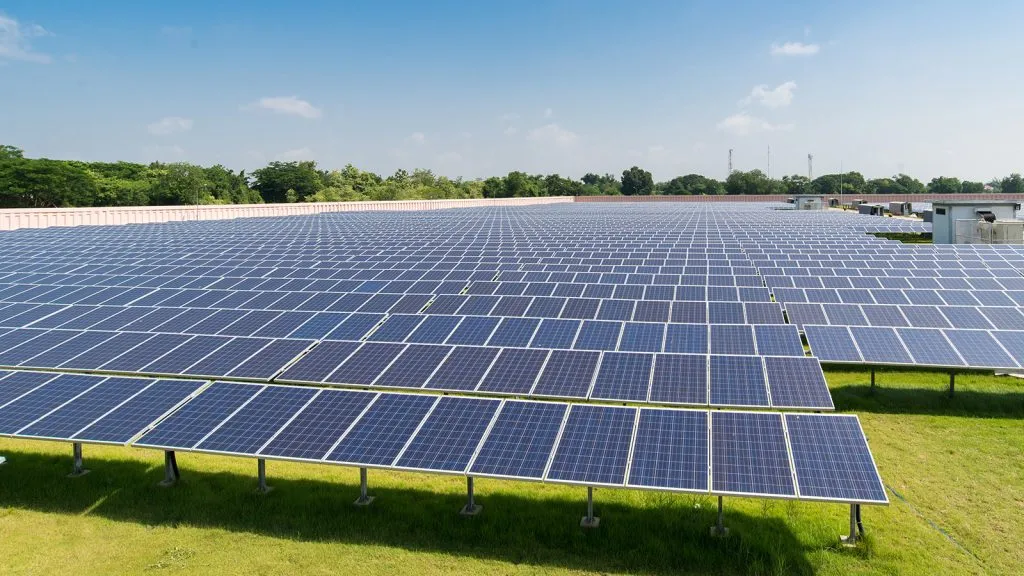
Zambia is actively promoting renewable energy development as part of its national agenda to diversify the energy mix, improve energy security, and reduce environmental impact. Among renewable energy sources, solar power has emerged as one of the most viable solutions due to the country’s high solar potential, favorable climate, and growing demand for reliable electricity. To attract investment in the solar energy sector, the Government of Zambia offers a range of green energy incentives, including tax breaks, customs exemptions, and regulatory support aimed at businesses that deploy, manufacture, or distribute solar technology.
This article provides a comprehensive overview of the incentives available to solar businesses in Zambia, explains eligibility criteria, outlines application procedures, and highlights strategies for maximizing benefits.
The Importance of Solar Energy Investment in Zambia
Zambia’s electricity sector has historically been dominated by hydropower. While hydropower provides a substantial share of the country’s energy, it is vulnerable to drought and seasonal water fluctuations. Solar energy offers a complementary and reliable source of power, especially for off-grid and rural electrification. Increased investment in solar also supports economic growth, job creation, and climate goals.
To stimulate private sector participation, especially from foreign investors, the Government of Zambia has adopted a framework of investment incentives that apply to renewable energy projects, particularly solar.
Legal and Institutional Framework
Green energy incentives in Zambia are primarily administered through the Zambia Development Agency (ZDA), which promotes investment across priority sectors, including renewable energy and clean technology. Incentives are guided by national investment policies and enacted through relevant legislation and regulations.
In addition to ZDA incentives, the Energy Regulation Board (ERB) oversees licensing and compliance for energy projects, and sector-specific approvals may be required depending on the scale and nature of the solar project. Understanding the regulatory landscape is essential for navigating the incentive application process effectively.
Key Tax Incentives for Solar Businesses
Solar businesses in Zambia may qualify for several tax incentives designed to lower operational costs, improve investment returns, and accelerate project implementation.
- Corporate Income Tax Holidays Qualifying solar projects may be eligible for a tax holiday, which offers exemption from corporate income tax for a specified period. These tax holidays are particularly attractive for capital-intensive investments, allowing companies to retain more revenue in the critical early years of operation.
The duration of the tax holiday may vary depending on the size of the investment, the type of project (e.g., utility-scale solar vs. distributed solar installations), and the level of value creation within Zambia.
- Customs Duty and VAT Exemptions Solar businesses can benefit from customs duty and Value Added Tax (VAT) exemptions on importing key components such as solar panels, inverters, batteries, mounting structures, and other equipment essential for solar system deployment.
These exemptions significantly reduce upfront costs, making solar projects more financially viable. To qualify, businesses must ensure that the imported equipment is listed under the approved schedule of goods eligible for exemptions and that all import documentation is in order.
- Accelerated Capital Allowances Solar businesses may claim accelerated capital allowances on qualifying capital expenditure. This allows companies to depreciate the cost of solar systems and related equipment at a faster rate than standard depreciation, reducing taxable income in the initial years and enhancing cash flow.
Accelerated allowances make investments more attractive by recognizing the importance of rapid cost recovery in a capital-intensive sector like solar energy.
- Withholding Tax Exemptions Certain incentives include exemptions or reductions on withholding taxes related to payments to non-resident investors or service providers. By lowering the tax burden on cross-border payments, Zambia seeks to make foreign investment in solar projects more competitive.
Eligibility Criteria for Solar Energy Incentives
To qualify for green energy incentives in Zambia, solar businesses must meet specific eligibility criteria. While incentive programs can vary, the most common requirements include:
Registered Company The business must be a legally registered entity in Zambia, with all statutory documentation in order. Foreign investors typically register a subsidiary or joint venture with a Zambian company.
ZDA Registration Solar projects seeking investment incentives must register with the Zambia Development Agency and obtain a Certificate of Registration. This certificate confirms the project’s investment status and is a prerequisite for most fiscal incentives.
Minimum Investment Thresholds Certain incentives are tied to minimum investment thresholds. Solar projects with meaningful capital outlays that demonstrate local economic impact — such as job creation, value addition, and technology transfer — are more likely to receive favorable incentives.
Sector Classification The project must be classified under renewable energy or green technology. Clear documentation of the solar project’s objectives, scope, and expected economic contribution is essential.
Compliance with Local Regulations Solar businesses must comply with sector-specific regulations, including licensing from the Energy Regulation Board and adherence to environmental standards where applicable.
How to Apply for Solar Energy Incentives
Applying for green energy incentives in Zambia involves several coordinated steps designed to ensure compliance and proper vetting of investment projects.
-
Register the Business Ensure the solar business is fully registered with the Patents and Companies Registration Agency and has all foundational legal documentation in place.
-
Compile a Strong Investment Proposal A detailed investment proposal or business plan should be prepared, outlining project scope, capital structure, projected financials, employment impact, and alignment with Zambia’s renewable energy goals.
-
Apply for ZDA Registration Submit the investment proposal and supporting documents to the Zambia Development Agency. Upon approval, a Certificate of Registration will be issued, authorizing access to incentive programs.
-
Submit Incentive Applications Once registered with ZDA, apply for specific tax incentives by submitting required forms and documentation to the relevant government agencies. This may include tax holiday applications, customs duty exemption requests, and capital allowance filings.
-
Maintain Compliance After receiving incentives, ensure ongoing compliance with reporting requirements, tax filings, and regulatory obligations. Many incentive programs require periodic reporting to demonstrate continued eligibility.
Benefits of Solar Investment Incentives in Zambia
Zambia’s solar energy incentives create a favorable environment for investment by reducing financial barriers, improving project returns, and encouraging technology adoption. Specific benefits include:
Reduced Cost of Entry Customs and VAT exemptions on critical solar equipment lower initial capital costs. This is particularly important for utility-scale and off-grid solar projects that depend on imported components.
Improved Cash Flow Tax holidays and accelerated capital allowances enhance cash flow in the early phases of a project, improving financial sustainability and investor confidence.
Encouraging Local Participation Incentives often reward projects that demonstrate local job creation, skills transfer, and value addition, helping build the domestic green energy ecosystem.
Attracting Foreign Investment By aligning incentives with international standards, Zambia attracts global solar developers and financiers seeking stable and supportive investment environments.
Challenges and Considerations
Despite the attractive incentives, solar investors should be aware of practical considerations. Regulatory requirements, application processing times, and compliance reporting can be complex. Engaging local legal and tax advisors can help navigate these processes efficiently. Solar projects may also require coordination with multiple agencies, including energy regulators and environmental authorities.
Conclusion
Zambia’s green energy incentives, particularly for solar businesses, reflect a strong government commitment to clean energy and sustainable development. By offering tax breaks, customs exemptions, and capital allowances, Zambia encourages both local entrepreneurs and international investors to participate in the renewable energy sector.
Careful planning, eligibility assessment, and compliance with regulatory requirements are essential for maximizing these incentives. With the right strategy and professional support, solar businesses can benefit from attractive tax incentives while contributing to Zambia’s energy security and environmental sustainability.