.png)
Introduction
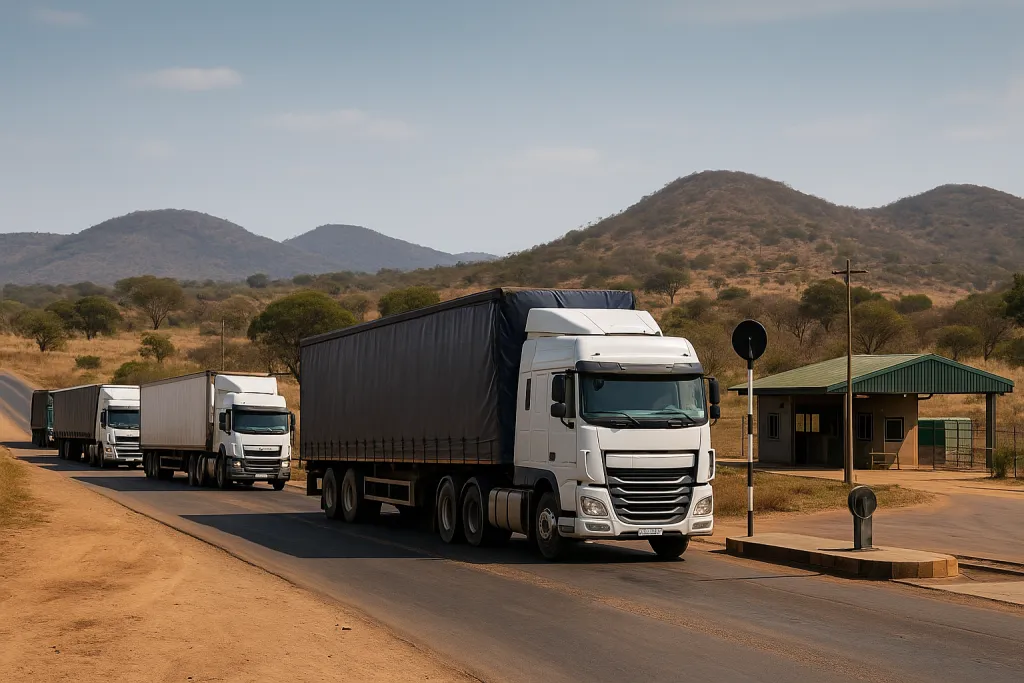
Cross-border trade is heavily influenced by logistics efficiency. For many years, long border delays, customs bottlenecks, and fragmented inspection systems increased transport costs for businesses trading across Southern and Central Africa.
To improve regional trade efficiency, several countries, including Zambia and neighbouring states, have introduced One-Stop Border Posts (OSBPs). These systems are designed to streamline border clearance procedures by integrating customs and immigration processes between two countries into a single coordinated operation.
For businesses involved in manufacturing, logistics, exporting, importing, and regional supply chains, OSBPs can significantly affect delivery timelines, freight costs, and operational planning.
As regional trade volumes continue growing, efficient border management is becoming increasingly important for business competitiveness.
Understanding One-Stop Border Posts
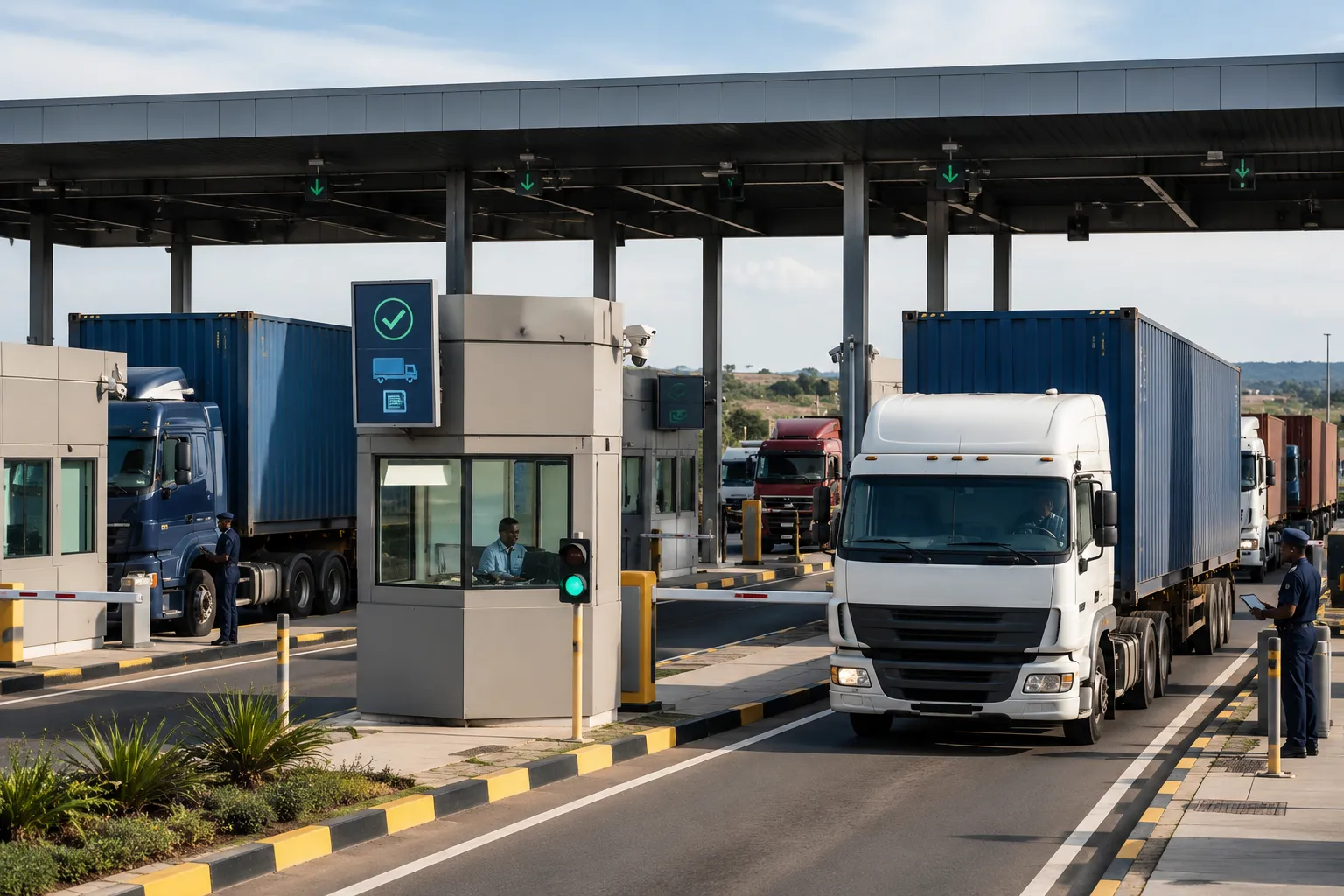
A One-Stop Border Post allows border agencies from two neighbouring countries to operate jointly within a shared clearance framework.
Instead of trucks and goods stopping twice for separate procedures, clearance processes are combined into a single coordinated system.
This helps reduce:
- Border congestion
- Duplicate inspections
- Administrative delays
- Transport inefficiencies
The objective is to improve trade flow while strengthening customs coordination.
Why Border Delays Matter
Border inefficiencies create serious financial costs for businesses.
Delays can lead to:
- Increased fuel expenses
- Higher freight charges
- Inventory shortages
- Missed delivery deadlines
For industries relying on time-sensitive deliveries, even minor disruptions can significantly affect profitability.
Efficient border operations therefore play a major role in supply chain performance.
Impact on Freight Costs
Reduced waiting times can lower operational costs for transporters and exporters.
Potential savings may include:
- Lower fuel consumption
- Reduced truck idle time
- Improved fleet utilization
- Fewer warehousing disruptions
Transport operators often pass some of these efficiency gains on to businesses through improved pricing structures.
Faster Delivery Times
OSBPs are also helping improve delivery reliability across trade corridors.
Faster clearance processes support:
- More predictable logistics planning
- Improved inventory management
- Reduced stock shortages
- Better customer satisfaction
For exporters, reliable delivery timelines improve competitiveness in regional markets.
Supporting Regional Trade Integration
Efficient border systems are central to regional trade agreements and economic integration efforts.
OSBPs support:
- SADC trade growth
- COMESA market integration
- AfCFTA implementation
- Cross-border investment activity
As trade volumes increase, streamlined logistics systems become even more important.
Benefits for SMEs and Exporters
Small and medium-sized businesses often feel the greatest impact from border inefficiencies.
Improved border operations can help SMEs by:
- Reducing unexpected logistics costs
- Improving cash flow predictability
- Supporting regional market access
- Lowering operational uncertainty
This creates more opportunities for smaller exporters to compete regionally.
Challenges That Still Exist
Despite improvements, some operational challenges remain.
Businesses may still encounter:
- Infrastructure limitations
- System outages
- Regulatory inconsistencies
- Peak traffic congestion
Efficient logistics planning therefore remains important even where OSBPs operate.
The Importance of Documentation and Compliance
Businesses must still maintain proper documentation and compliance procedures.
Key requirements include:
- Accurate customs declarations
- Product certifications
- Trade documentation
- Transport permits
Poor documentation can still create delays regardless of border modernization efforts.
Long-Term Economic Benefits
Efficient border systems contribute to broader economic growth by improving trade competitiveness and reducing transaction costs.
Potential long-term benefits include:
- Increased regional trade volumes
- Improved investment attractiveness
- Stronger supply chains
- Enhanced export competitiveness
As infrastructure and trade facilitation systems improve, regional commerce is likely to expand further.
Final Thoughts
One-Stop Border Posts are transforming cross-border trade efficiency across Southern and Central Africa. By reducing delays, improving customs coordination, and lowering logistics costs, these systems help businesses trade more competitively across regional markets.
Companies that strengthen logistics planning and compliance systems are best positioned to benefit from these improvements.
Call to Action
Businesses involved in regional trade should review supply chain strategies and customs processes to maximize the operational benefits created by modern border systems.