.png)
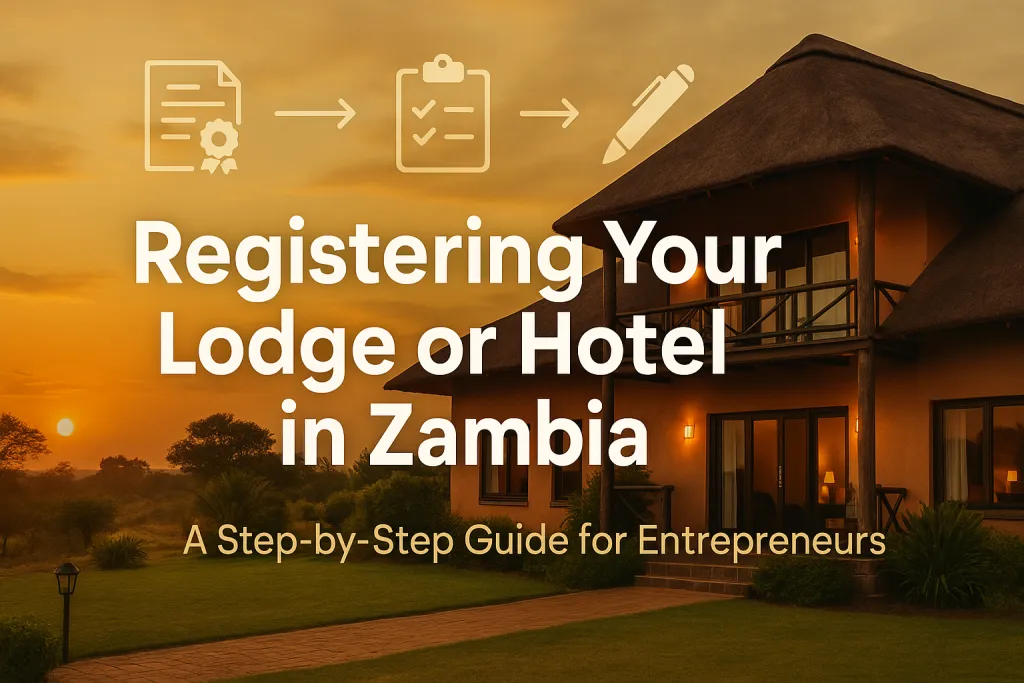
Introduction: Growth Is No Longer the Question, Capacity Is.
Zambia’s tourism sector is accelerating rapidly.
- 2.3 million international arrivals in 2025
- Government targeting 2.5–3 million arrivals by 2026–2027
This is not incremental growth, it’s a capacity challenge.
The real question now is:
Can Zambia’s hospitality sector absorb high-value tourists at scale, without diluting its premium positioning?
That is where luxury tourism investment becomes critical.
1. Why the 3 Million Target Changes Everything
Zambia’s tourism strategy has shifted from:
- Volume growth → Value-driven growth
Tourism is now positioned as:
- A core economic pillar
- A pathway to a $1 billion industry by 2031
To get there, Zambia must:
- Increase average spend per visitor
- Expand high-end accommodation capacity
- Improve experience quality
Mass tourism alone won’t achieve this.
2. The Luxury Gap: Where Opportunity Exists
Despite strong demand drivers:
- Victoria Falls
- World-class safari ecosystems
- Untapped northern circuits
Zambia still faces a structural shortage of luxury inventory.
Key gaps include:
- Ultra-luxury lodges (global brand level)
- Boutique eco-resorts
- High-end urban hospitality (Lusaka, Livingstone)
- Branded safari circuits
This creates a clear investment thesis:
Demand is rising faster than premium supply.
3. What Defines “Luxury” in the Zambian Context
Luxury in Zambia is not just about five-star hotels, it is experience-led.
High-value segments include:
- Safari luxury lodges (low-density, high-margin)
- Eco-luxury developments (carbon-conscious tourism)
- Adventure + exclusivity packages (Victoria Falls, Zambezi River)
- Cultural immersion experiences with premium positioning
Global travelers are increasingly seeking:
- Authenticity
- Sustainability
- Privacy
Zambia is uniquely positioned to deliver all three.
4. Government Policy Is Actively Supporting Growth
Zambia’s push toward 3 million arrivals is backed by:
1. Increased Public Investment
- Tourism budget expanded to K1.5 billion in 2026
- Focus on infrastructure, marketing, and conservation
2. Market Access Initiatives
- Platforms like the Zambia Travel Expo (ZATEX)
- International buyer engagement and deal-making
3. Regulatory Reforms
- Visa liberalization
- Improved licensing frameworks
- Public-private partnerships in tourism
4. Infrastructure Development
- Airport upgrades
- Road access to national parks
- Expansion of tourism circuits
5. Where Investors Should Focus
1. Livingstone & Victoria Falls Corridor
- High international visibility
- Cross-border tourism with Zimbabwe
- Immediate demand for premium accommodation
2. Northern Circuit (Emerging Frontier)
- Lake Tanganyika
- Kasaba Bay
- Underdeveloped but high-potential
This is where early-mover advantage exists.
3. Lusaka (Urban Luxury & Business Tourism)
- Growing demand for:
- Executive hotels
- Conference and MICE facilities
- Linked to events like ZATEX
4. Conservation-Linked Investments
- Partnerships with wildlife and park authorities
- Integration with sustainability and carbon markets
6. The Investment Case: Why Luxury Works
Luxury tourism is not just branding, it’s economics.
Higher Margins
- Fewer guests, higher spend
- Strong pricing power
Resilience
- Less sensitive to economic downturns
- Targets high-net-worth travelers
Foreign Currency Generation
- Critical for Zambia’s macroeconomic stability
Ecosystem Spill overs
Luxury tourism drives:
- Aviation demand
- Local supply chains
- Employment (156,000 jobs already supported by tourism)
7. Key Risks Investors Must Navigate
1. Infrastructure Gaps
- Power reliability
- Transport logistics
2. Skills and Service Standards
Luxury requires:
- Highly trained staff
- Consistent service delivery
3. Regulatory Navigation
- Licensing
- Land rights
- Environmental compliance
4. Overbuilding the Mid-Market
The risk is not oversupply, it’s misaligned supply:
- Too many mid-tier hotels
- Not enough premium experiences
8. Strategic Insight: Zambia Should Avoid the “Volume Trap”
Many tourism markets fail by:
- Chasing visitor numbers
- Ignoring spend per visitor
Zambia has a different opportunity:
Build a low-volume, high-value tourism model
This aligns with:
- Conservation goals
- Premium branding
- Sustainable growth
Call to Action: Build for the Tourist Zambia Wants, Not Just the One It Gets
Zambia’s 3 million arrivals target is not just a number, it is a market signal.
For investors, developers, and operators:
Now is the time to:
- Identify premium location opportunities
- Structure high-end, experience-driven hospitality models
- Align with government priorities and tourism circuits
- Invest in quality, not just capacity
The biggest returns will not come from volume, they will come from value.
Conclusion: The Next Phase Is Premiumization
Zambia has already proven it can grow arrivals.
The next phase is more important:
Converting arrivals into high-value tourism revenue
Luxury hospitality is the bridge between:
- Natural assets
- Economic transformation
Those who invest early and strategically, will not just benefit from growth.
They will shape the future of Zambia’s tourism industry.