.png)
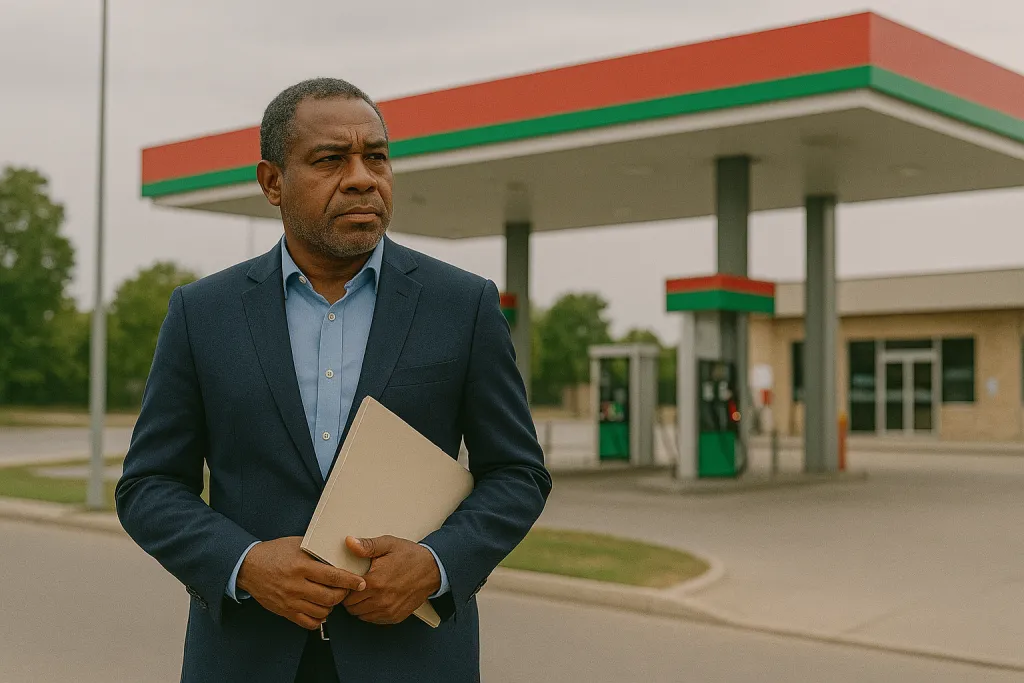
With a growing economy and increasing demand for fuel, Zambia offers lucrative opportunities in the energy sector. For foreign investors, establishing a petrol station can be a profitable venture. However, success in this market depends on understanding and complying with Zambia’s regulatory environment. This guide walks you through the legal, financial, and operational steps to help foreign investors launch a petrol station in Zambia confidently and compliantly.
Understanding Zambia’s Regulatory Environment
Zambia has a robust regulatory system designed to support investment while safeguarding public and environmental interests. The Zambia Development Agency (ZDA) is the first point of contact for foreign investors. It facilitates investment licenses, provides support services, and offers fiscal incentives like tax holidays and duty-free imports on capital goods.
In the energy sector, regulation falls under the Energy Regulation Board (ERB). The ERB ensures safety, sets fuel prices, and mandates licensing for anyone operating in the petroleum industry. Before commencing operations, a petrol station investor must obtain an ERB license—compliance is non-negotiable.
Additionally, environmental regulations are enforced through Environmental Impact Assessments (EIA) administered by the Zambia Environmental Management Agency (ZEMA). These assessments are required before development begins and ensure sustainable practices are followed. Hiring a local environmental consultant can simplify the EIA process and improve your application’s success rate.
Legal Business Structures for Foreign Investors
Choosing the right business structure is crucial. Common options include:
-
Private Limited Company (LTD): Offers liability protection and is the most preferred option for foreign investors.
-
Partnerships: Provide operational flexibility but may limit funding opportunities.
All entities must be registered with the Patents and Companies Registration Agency (PACRA). This step formalizes your business presence and is a prerequisite for acquiring licenses, opening bank accounts, and signing contracts.
Securing Land and Construction Permits
Land acquisition is foundational when establishing a petrol station. Zambia has two land tenure systems:
-
Leasehold Land – Managed by the state, usually for 99 years, and is more secure for investment.
-
Customary Land – Controlled by local chiefs and requires conversion to leasehold for commercial use.
Land transactions for foreign investors are handled through the Ministry of Lands and Natural Resources. Always conduct a due diligence search to confirm land ownership and avoid disputes.
Once land is acquired, the next step is obtaining construction permits from the relevant Local Authority or Council. These permits confirm that your building plans meet safety, zoning, and structural regulations. Working with a licensed Zambian architect and engineer will ensure compliance and reduce processing time.
Importation and Infrastructure Logistics
Importing and transporting petroleum products in Zambia requires coordination and infrastructure. Fuel is either transported via Tazama Pipeline or by road haulage from refineries in Tanzania, South Africa, or the Middle East.
To ensure a smooth supply chain:
-
Secure an import license through the ERB.
-
Partner with licensed fuel transporters for bulk haulage.
-
Consider building underground storage tanks and a retail forecourt that meets ERB’s safety and design standards.
Zambia’s strategic location within the SADC region and its proximity to major trade routes like the North-South Corridor makes fuel distribution to surrounding countries viable for growth.
Financial Considerations and Funding
Starting a petrol station in Zambia requires significant upfront capital. Typical expenses include:
-
Land purchase or lease
-
Licensing and registration
-
EIA and consultant fees
-
Construction of fuel tanks, forecourt, canopy, and convenience shop
-
Fuel pump equipment and security systems
Estimated startup costs can range from $250,000 to $500,000 depending on location and scale.
To ease the financial burden, foreign investors can access funding through:
-
Commercial banks offering project finance in Zambia
-
Development finance institutions (DFIs) like the African Development Bank (AfDB)
-
ZDA incentives, including tax exemptions and investment allowances
Currency Risk and Market Dynamics
Zambia’s local currency, the Zambian Kwacha (ZMW), can experience volatility. Foreign investors should:
-
Use currency hedging strategies to protect returns.
-
Maintain dual currency accounts for flexibility.
-
Monitor fuel pricing trends, which are adjusted by ERB based on international oil markets.
Zambia’s fuel market is competitive but offers growth potential in underserved rural and peri-urban areas where demand is increasing.
Sustainability and Competitive Edge
To future-proof your petrol station, consider integrating renewable energy solutions:
-
Install solar panels for powering lighting and pumps.
-
Use rainwater harvesting systems for car wash services.
-
Reduce emissions by using low-sulphur fuels.
Implementing Corporate Social Responsibility (CSR) initiatives like youth employment, road safety education, or community infrastructure support can improve public image and customer loyalty.
Networking and Local Partnerships
Success in Zambia’s business environment depends heavily on relationships. Build trust through:
-
Partnerships with local suppliers for fuel and retail goods.
-
Hiring Zambian staff, which is also a requirement for work permit approvals.
-
Joining platforms like the Zambia Chamber of Commerce and Industry (ZACCI) or Energy Sector Associations to stay updated on policy changes and networking opportunities.
Conclusion
Establishing a petrol station in Zambia as a foreign investor is a promising venture—provided one navigates the regulatory and business landscape with care. By understanding the licensing processes, selecting the right business structure, managing financial risks, and engaging with local stakeholders, investors can build a profitable and compliant enterprise. Sustainable practices and community engagement further ensure long-term success in Zambia’s dynamic energy market.