New

2026 ZRA Tax Season: Filing deadline approaching — ensure your returns are submitted on time. Get tax compliance support →

M&J Consultants
  • Business Advisory

    Advisory Services

    • Business Consulting
    • Accounting & Bookkeeping
    • HR Consulting
    • Company Formation
    • Register from South Africa
    • Register from UK
    • Register from China
    • Investor Services

    Tax & Compliance

    • Tax Services
    • Tax Technology Consulting
    • Tax Legislation Advisory
    • All Tax Services
    Need Expert Advice?

    Free initial consultation with our team.

    +260 950 054 386 +260 979 369 374 [email protected]
    Schedule a Meeting →
  • Digital Transformation

    Enterprise Resource Planning

    • Odoo ERP System
    • Odoo for Manufacturing
    • Odoo for Retail
    • Odoo for NGOs
    • Odoo for Construction
    • Palladium ERP

    Business Systems

    • Sage Pastel Accounting
    • QuickBooks
    • Zoho Books
    • IQ Retail
    • Software for Mining
    • Software for Retail

    Payroll Software

    • Sage Pastel Payroll
    • Odoo Payroll
  • Tools

    Tax Calculators

    • PAYE Calculator 2026
    • VAT Calculator
    • NAPSA & NHIMA Calculator
    • DTA Navigator 2026

    Compliance Tools

    • Compliance Calendar 2026
    • Smart Invoice Checker
    • WHT Rate Finder
    • Turnover Tax Decision Tool
    • Import Duty Estimator
    Tools

    All calculations run in your browser. We never store your data.

    View All Tools →
  • Guides

    ZRA & Tax Compliance

    • PAYE Rates & Tax Bands 2026
    • VAT Registration Guide
    • Turnover Tax vs Income Tax
    • Smart Invoice Compliance
    • TPIN Registration
    • Tax Clearance Certificate
    • NAPSA & NHIMA Guide

    Company Formation

    • Register a Company (PACRA)
    • Registration for Foreigners
    • Registration Costs 2026

    HR & Employment

    • Payroll Setup Guide

    ERP & Software

    • Odoo Smart Invoice Setup
    • Best Accounting Software 2026

    More Resources

    • Insights & Articles
    • FAQ
    Expert Guides

    Comprehensive, Zambia-specific guides with real rates, deadlines, and step-by-step processes. Updated for 2026.

    Browse All Guides →
  • About Us
  • Contact Us
Get Started
Home / Insights / Main Challenges in Zambia’s Healthcare Syste...
Business Advisory 7 May 2025 3 min read

Main Challenges in Zambia’s Healthcare System: A Comprehensive Analysis

M&J Consultants M&J Consultants
Main Challenges in Zambia’s Healthcare System: A Comprehensive Analysis

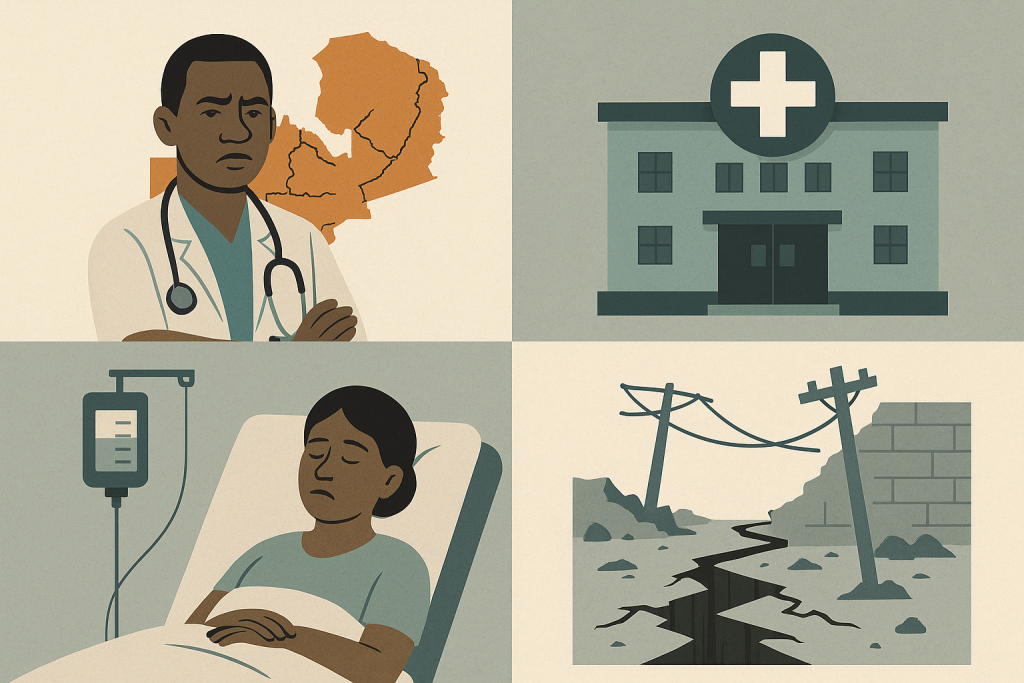
Zambia’s healthcare system has significantly improved with initiatives like the national health insurance scheme aimed at universal health coverage. Yet, persistent challenges remain, limiting the quality of healthcare services accessible to citizens. This article explores critical issues impacting Zambia’s healthcare and their broader implications.

Financing and Resource Constraints

Financial limitations are a major barrier to comprehensive healthcare in Zambia. Health sector funding decreased from 9.5% of the national budget in 2018 to 8.1% in 2021. The nation’s heavy reliance on donor funding and vulnerability to copper price fluctuations exacerbate these issues. In 2020, debt repayments ($1.7 billion) overshadowed healthcare investments ($400 million), highlighting financial imbalances.

Additionally, despite reforms, many Zambians still face substantial out-of-pocket expenses. Around 11% of households must borrow money or sell assets to afford healthcare.

Human Resource Shortages

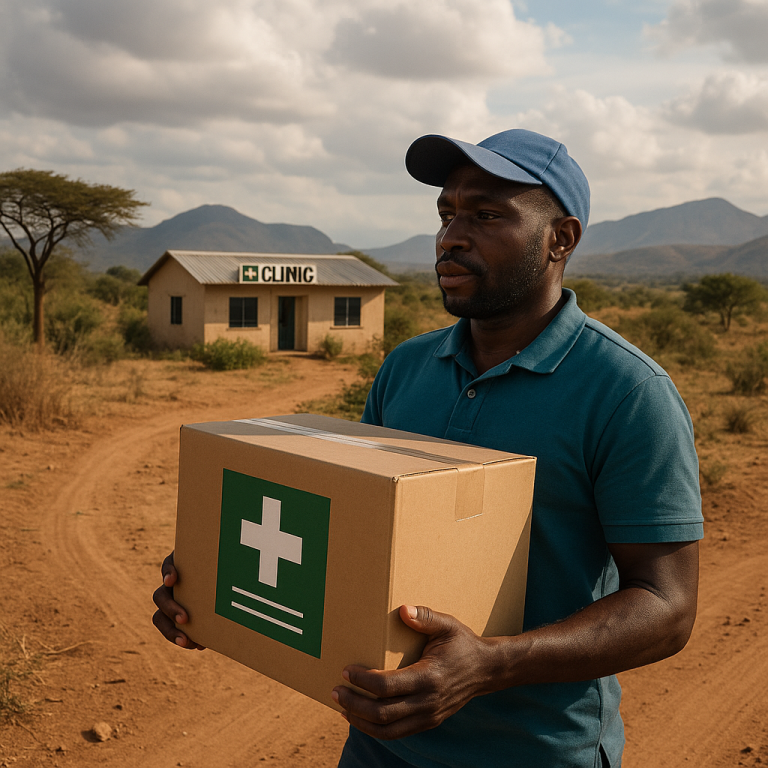
Zambia suffers from a critical shortage of healthcare workers, significantly impacting rural regions. Current density is just 11.2 healthcare workers per 10,000 people in rural areas, far below the WHO’s minimum requirement of 22.8. Doctors are predominantly concentrated in urban referral hospitals, leaving rural communities underserved.

Retention issues in rural regions persist, with housing emerging as a primary factor influencing healthcare workers’ decisions. Addressing basic needs like adequate housing is crucial for reducing this urban-rural divide.

Infrastructure and Accessibility Challenges

Accessibility to healthcare facilities remains a significant issue, especially in rural Zambia. Approximately 46% of rural households live beyond the national target distance of 5km from a healthcare facility, compared to only 1% in urban areas. Poor transport infrastructure further complicates accessibility, particularly during rainy seasons.

Many facilities suffer from deteriorating infrastructure, affecting service quality and increasing maintenance costs. Furthermore, the ineffective referral system disproportionately benefits urban areas, exacerbating disparities.

Supply Chain Management Problems

The availability of essential medicines is alarmingly low, causing frequent stock-outs, notably antibiotics and anti-malarial drugs. Research indicates stock-outs occur despite sufficient national inventory, pointing to significant inefficiencies in distribution and management systems. These disruptions endanger patient lives, especially in pediatric malaria cases.

Improving inventory management to account for demand fluctuations and historical stock-out patterns could mitigate these issues.

High Disease Burden

Zambia faces a dual burden of communicable and non-communicable diseases (NCDs). While HIV/AIDS, malaria, and tuberculosis remain prevalent, emerging NCDs present new challenges due to limited screening and management capabilities.

Child nutrition issues persist, with stunting, wasting, and underweight conditions causing thousands of child deaths annually. High maternal and under-five mortality rates highlight ongoing deficiencies in maternal and child healthcare.

Seasonal health crises, such as cholera outbreaks triggered by flooding, further burden the health system, emphasizing the need for climate-resilient infrastructure.

Policy Implementation and Governance Issues

Despite various health reforms, fragmented funding and complex decentralization processes hinder effective policy implementation. Funding frequently targets specific diseases, neglecting integrated community health strategies. Limited managerial and financial autonomy at district and facility levels further restricts effective governance.

Abolishing user fees reduced local revenue capabilities, limiting flexibility in resource allocation at the grassroots level.

Rural-Urban Disparities

Rural areas face pronounced disadvantages, including fewer healthcare workers, longer distances to facilities, and inadequate healthcare resources. Community-based volunteers lack structured supervision, training, and incentives, weakening service effectiveness.

Specialized healthcare services, predominantly urban-based, remain inaccessible to many rural residents due to transportation and cost barriers, further widening health disparities.

Conclusion

Zambia’s healthcare challenges necessitate comprehensive, coordinated actions. Sustainable investment, improved resource allocation efficiency, robust supply chains, and targeted rural interventions are crucial. Successful implementation of existing reforms, like the national health insurance scheme, hinges on overcoming these foundational obstacles.


Share This Article

Need Expert Advice?

Tell us what you need - a consultant will get back to you within 24 hours.

Get Zambia Business Insights in Your Inbox

Join business owners and investors who receive our weekly tax tips, compliance updates, and growth strategies. No spam - just actionable advice.

Unsubscribe anytime. We respect your privacy.

Related Articles

A Foreign Investor’s Guide to Zambia’s Private Healthcare Sector: Compliance, Licenses, and Profit Models
Business Advisory 4 min read

A Foreign Investor’s Guide to Zambia’s Private Healthcare Sector: Compliance, Licenses, and Profit Models

Zambia presents compelling opportunities for foreign investors in the private healthcare sector. Gap...

Affordable Clinic Management Software Options for SMEs in Zambia: Features and Pricing Breakdown
Business Advisory 4 min read

Affordable Clinic Management Software Options for SMEs in Zambia: Features and Pricing Breakdown

For many small and medium-sized clinics in Zambia, the day still begins with paper registers, manual...

Building a Sustainable Business: Strategies for Supplying Medical Drugs Amidst Africa’s Healthcare Challenges
Business Advisory 4 min read

Building a Sustainable Business: Strategies for Supplying Medical Drugs Amidst Africa’s Healthcare Challenges

Building a sustainable business in Africa’s medical drug supply sector is both a noble mission and a...

M&J Consultants

Building Timeless Businesses. Zambia's premier business consultancy firm offering expert advisory, tax, accounting, and enterprise solutions from our Lusaka office.

Services

  • Business Advisory
  • Accounting & Bookkeeping
  • Tax Consultancy
  • HR Consulting
  • Enterprise Solutions
  • Company Formation

Tools

  • Compliance Calendar 2026
  • PAYE Calculator 2026
  • VAT Calculator
  • NAPSA & NHIMA Calculator
  • Smart Invoice Checker
  • WHT Rate Finder
  • Turnover Tax Tool
  • Import Duty Estimator

Guides

  • PAYE Tax Guide 2026
  • VAT Guide Zambia
  • Turnover Tax Guide
  • Smart Invoice Guide
  • Company Registration
  • Payroll Setup Guide
  • Insights & Articles

Company

  • About Us
  • Contact Us
  • FAQ
  • DTA Navigator
  • Investor Services

Contact Info

  • 1504 Mungulube Road, Northmead, Lusaka, Zambia
  • [email protected]
  • [email protected]
  • +260 950 054 386
  • +260 979 369 374

© 2026 M&J Consultants. All rights reserved. | Lusaka, Zambia