.png)
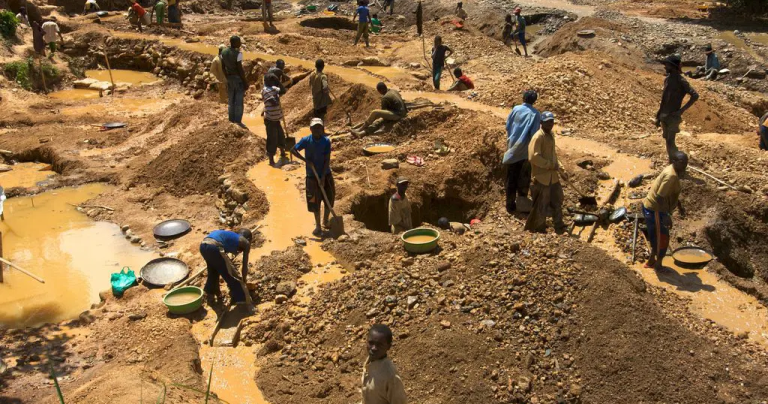
Zambia’s mineral sector has played a crucial role in shaping the nation’s economic landscape for decades. From large-scale copper mines to artisanal gemstone operations, the country’s subsoil is brimming with resources that attract global attention. However, managing these vast resources requires a well-established legal framework. As such, Mineral Trading and Import Permits in Zambia are key instruments that regulate the buying, selling, and importing of minerals within this resource-rich country.
In this comprehensive guide, we will explore the intricacies of Zambia’s mineral trading and import systems, detailing their legal foundations and explaining the practical requirements. By understanding these permits, businesses and individuals can navigate Zambia’s mineral sector more effectively and help uphold the country’s commitment to lawful, transparent, and responsible resource development.
1. Introduction to Zambia’s Mineral Potential
Zambia boasts substantial mineral deposits, with copper being the most famous. Many people associate Zambia with its abundant copper reserves, yet the country is also rich in other minerals such as cobalt, emeralds, gold, nickel, and manganese. Over the years, these resources have attracted international mining giants, as well as smaller operations seeking profitable niches in Zambia’s diverse mineral landscape.
The reliance on mineral exports has made Zambia a major player in Africa’s economic development. Copper, in particular, generates a significant portion of export earnings and helps fund public services and infrastructure projects. In fact, the “Copperbelt” region, running across central Zambia, has long been the backbone of the nation’s industrial growth. Consequently, mining plays a vital part in employment and community development, creating a ripple effect that benefits many Zambian families.
Still, wealth from natural resources can spark competition and attract illicit activities. This is why effective regulation is indispensable. To prevent corruption, environmental mismanagement, and the loss of public revenue, Zambia has developed strict legislation to monitor who trades in minerals and how those minerals cross its borders.
2. The Importance of Regulation in Mineral Trade
Maintaining order in the mineral sector goes well beyond economic efficiency. A robust system of permits can:
-
Combat Illegal Activities: Without proper oversight, unscrupulous traders might exploit or smuggle minerals, depriving the country of tax revenue and harming legitimate businesses.
-
Promote Transparency: A permit-based system ensures that the source and destination of minerals are documented. This clarity enables the government to trace transactions and hold stakeholders accountable if any irregularities arise.
-
Encourage Responsible Mining: By tying permits to environmental and social conditions, Zambia can require traders to adhere to best practices, minimizing ecological damage and promoting safer working conditions.
-
Enhance Investor Confidence: Investors prefer stable and predictable regulations. Clear permitting processes attract more investment by reducing uncertainty, particularly in large-scale mining ventures that require years of planning and capital.
In short, regulation is not just bureaucratic formality. It is a safeguard that keeps Zambia’s mining sector operating fairly and responsibly, protecting the interests of both local communities and international investors.
3. Historical Context of Mineral Regulation
Zambia’s approach to mineral oversight has evolved over many decades. In the early post-independence era, the government formed strategic alliances with mining companies to expedite growth and strengthen its export capabilities. Over time, the authorities recognized that unregulated mining could result in environmental degradation, labor exploitation, and loss of potential revenue.
For a period, the Ministry of Mines and Mineral Development was the chief body overseeing mineral activities. In 2024, the government introduced the Mineral Regulation Commission Act, creating a dedicated body known as the Mineral Regulation Commission to replace certain functions of the Ministry. By doing this, Zambia reinforced the importance of having a clear, modernized legal structure that addresses the complexities of the present-day mineral sector.
The Act also updated provisions found in the Mines and Minerals Development Act, ensuring that all facets of the mineral trade—buying, selling, import, export—could be monitored in a consistent manner.
4. Understanding the Mineral Trading Permit
4.1 Definition and Purpose
A mineral trading permit in Zambia is an official authorization that allows individuals or companies to legally engage in buying, selling, or trading minerals. This permit ensures that traders adhere to Zambia’s laws and maintain ethical standards in conducting mineral transactions.
There are several key reasons why a mineral trading permit is indispensable:
-
Compliance with Mineral Laws: It guarantees that traders have met the legal criteria outlined by the Mineral Regulation Commission.
-
Transparency and Accountability: Issued permits create an auditable record of mineral transactions, helping to track volumes, sources, and destinations.
-
Prevention of Illegal Trade: By restricting mineral trading to authorized permit holders, the government reduces opportunities for illicit activities such as smuggling or unreported exports.
-
Responsible Sourcing: Traders are encouraged to source minerals from legitimate, conflict-free regions, reducing the risk of fueling criminal enterprises or unethical labor practices.
4.2 The Legal Framework
Section 30(1) of the Mineral Regulation Commission Act of 2024 clearly states:
“A person, except a holder of mining licence or mineral processing licence, shall not trade in minerals without a mineral trading permit issued under this Act.”
The Mines and Minerals Development Act classifies mineral trading permits as non-mining rights. This category allows for a defined structure of responsibility and oversight separate from the responsibilities of actual mining or mineral processing license holders.
4.3 The Application Process
To acquire a mineral trading permit, prospective traders must:
-
Submit an Application: Complete the designated forms and attach supporting documentation.
-
Pay the Prescribed Fee: The government sets a fee that helps sustain the operations of the Commission.
-
Compliance Review: The Mineral Regulation Commission evaluates the application. If all requirements are satisfied, the permit is granted within seven days.
The efficiency of this process demonstrates Zambia’s commitment to encouraging legitimate mineral trade without creating overly burdensome administrative hurdles. Once approved, the permit is valid for three years. Traders must renew it every three years to remain compliant.
4.4 Obligations and Liabilities
Holding a mineral trading permit comes with clear obligations:
-
Royalty Payments: Traders must pay mineral royalties on the minerals they handle, ensuring they contribute to the country’s revenue.
-
Reporting Compliance: Traders may be required to submit periodic reports to the Commission detailing purchase volumes, sources, sales, and destinations.
-
Penalties for Non-Compliance: Engaging in mineral trade without a permit can lead to fines of up to five hundred thousand penalty units, imprisonment for up to five years, or both. These penalties underscore the seriousness of conducting mineral transactions outside the established legal framework.
5. Exploring the Mineral Import Permit
5.1 Definition and Purpose
A mineral import permit provides legal authorization to bring minerals, gemstones, ores, or mineral products into Zambia. Similar to the mineral trading permit, the aim here is to maintain oversight, track quantities, and ensure that imports adhere to Zambia’s laws and policies.
5.2 Legal Requirements
Section 32 of the Mineral Regulation Commission Act states:
“A person shall not import or export a mineral, gemstone, ore or mineral product without a permit issued to that person by the Commission under this Act.”
This clause aligns with guidelines found in the Zambia Trade Information Portal, reinforcing that importers must obtain permission from the Commission to legally move mineral products across Zambian borders.
5.3 Eligibility and Application
Applicants for mineral import permits must already hold one of the following:
-
A valid Mining License (large-scale, small-scale, or artisanal).
-
A valid Mineral Processing License.
-
A valid Mineral Trading Permit.
Once eligibility is confirmed, applicants must complete a formal submission that includes:
-
Application Forms: Detailed and signed, reflecting the type of minerals and their intended use.
-
Tax Clearance Certificate: Proof of good standing with the Zambia Revenue Authority.
-
Supply Contract Documents: Evidence of legitimate business relationships.
-
Mineral Analysis Report: Confirmation of the mineral’s composition and quality.
-
Company Registration Details: Verification that the applicant is operating a legally recognized business.
-
Proof of Purchase and Export Clearance: Documentation verifying that the minerals are coming from a legitimate source and have clearance from the exporting nation.
-
Conflict-Free Certification (if applicable): For minerals susceptible to funding conflicts, a regional certificate is essential to confirm ethical sourcing.
5.4 Validity and Fees
Mineral import permits are valid for three months and are non-renewable, which compels importers to be precise with the timing of their shipments. The permit application fee is K1,400.00, covering the entire three-month window. If importers require another permit after the validity period, they must reapply with updated documentation.
6. Environmental and Social Considerations
Zambia’s regulatory framework reflects a growing global emphasis on sustainable mining practices. This means that both mineral traders and importers must be mindful of potential environmental impacts, such as pollution of water sources or destruction of natural habitats. Because enforcement agencies keep a close eye on ecological standards, failure to meet them could lead to fines or permit revocations.
Socially, these permits help protect local communities from the negative consequences of unregulated mining. Artisanal miners, for instance, often work in vulnerable conditions, so requiring buyers and importers to be licensed can reduce exploitative practices. In turn, local economies benefit when projects are managed more transparently, workers receive fair wages, and the community’s social fabric remains intact.
7. Opportunities and Challenges
Opportunities in Zambia’s mining sector are vast. Global demand for copper and other metals used in electronics, batteries, and infrastructure is on the rise. This creates a favorable environment for legal traders and importers who follow the established guidelines. Foreign investors, seeing Zambia’s stable regulatory system, are more willing to fund new projects, boosting economic growth across multiple sectors.
Nevertheless, challenges remain:
-
Administrative Hurdles: Although the Commission strives to process applications quickly, some applicants may encounter delays if documentation is incomplete.
-
Awareness Gaps: Smaller traders or local communities might lack sufficient knowledge about obtaining necessary permits, leading to inadvertent illegal activity.
-
Smuggling Risks: High-value minerals attract criminals who may attempt to bypass regulations, highlighting the need for ongoing vigilance and law enforcement cooperation.
-
Price Volatility: Global commodity prices can fluctuate, causing revenue uncertainty and making it more difficult to forecast mineral-related earnings.
Overcoming these hurdles requires cooperation between government agencies, industry stakeholders, and local communities. By working together, Zambia can refine its legal frameworks, streamline administrative processes, and encourage responsible operations.
8. The Path Forward for Zambia’s Mineral Sector
Zambia’s rich geological endowment can continue to fuel the nation’s economic progress if managed responsibly. Strengthening the Mineral Regulation Commission is a key step toward achieving greater efficiency and ensuring compliance. Introducing online permit applications or e-verification systems can further reduce administrative bottlenecks, making Zambia’s mineral market more accessible and transparent.
Another pivotal strategy is enhanced public-private collaboration. When mining firms, traders, regulators, and local communities engage in open dialogue, new policies can reflect ground realities more accurately. This inclusive approach reduces misunderstandings and fosters an environment where business growth aligns with social and environmental welfare.
Zambia’s commitment to regional and international standards, such as the Kimberley Process for diamonds or other conflict-mineral protocols, underscores its drive to be a global leader in ethical mining. By marrying mineral wealth with robust governance, Zambia has the potential to carve a path of sustainable development and shared prosperity.
9. Conclusion
Zambia’s mineral trading and import permit systems serve as the bedrock of a transparent, responsible, and profitable mining sector. They streamline legal compliance, curb illicit activities, and encourage ethical sourcing practices. For any entity wishing to operate in Zambia’s mineral sphere, securing the correct permits—and adhering to the obligations that come with them—should be a top priority.
By understanding how the Mineral Regulation Commission Act of 2024 and the Mines and Minerals Development Act shape these permits, businesses and individuals can confidently enter Zambia’s vibrant mineral market. In doing so, they become participants in a system dedicated to protecting natural resources, enhancing community welfare, and advancing the country’s economic ambitions.