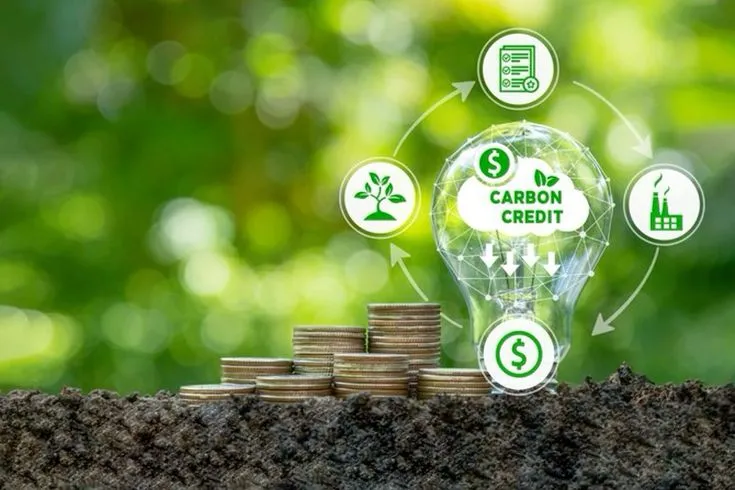
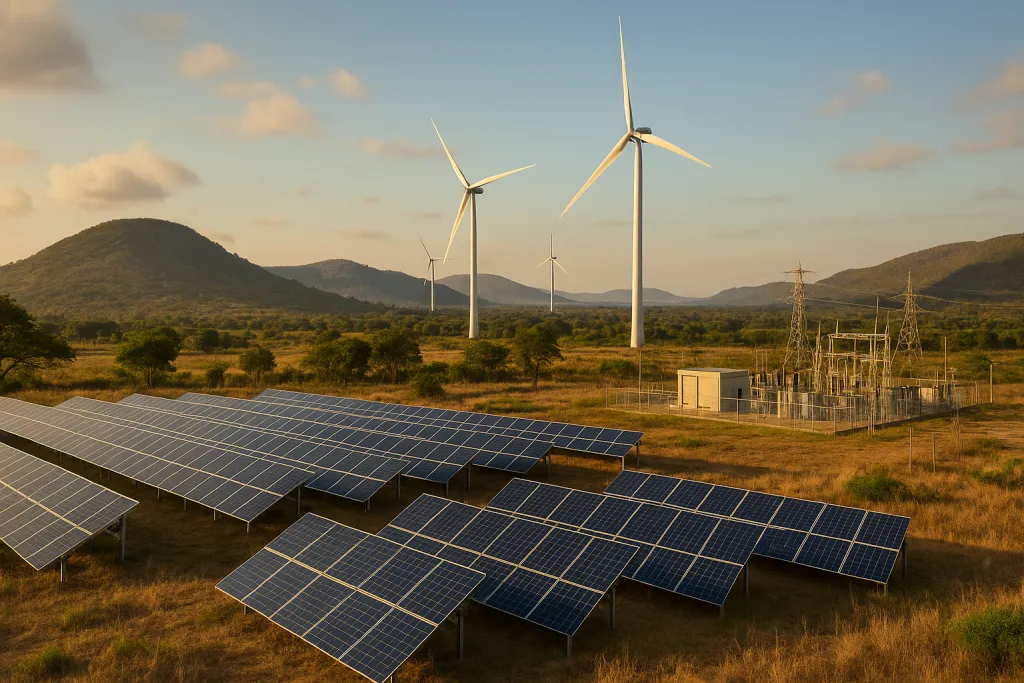
.png)

Introduction: When Carbon Stops Being “Extra” Revenue
For years, carbon credits were treated as a bonus—an uncertain upside layered onto infrastructure or conservation projects.
Zambia’s Carbon Feed-In Premium (CFIP) changes that completely.
Under the CFIP, carbon revenue is no longer speculative. It is structured, contracted, and tied directly to energy production, making it part of the core financial model of renewable energy projects.
This is not theoretical. It is live, funded, and already accepting projects.
What Is the Carbon Feed-In Premium (CFIP)?
The Carbon Feed-In Premium (CFIP) is a results-based carbon finance mechanism designed to support renewable energy investment in Zambia.
At its core, it does three things:
- Supports renewable energy projects (initially solar PV + storage)
- Pays developers based on verified emissions reductions
- Uses carbon credit revenues to top up project income
In simple terms:
If your electricity tariff alone doesn’t make the project viable, CFIP pays the difference using carbon finance.
These payments are funded through carbon credit transactions between Zambia and international partners under Article 6 of the Paris Agreement.
How the CFIP Actually Works (In Practice)
Step 1: Develop a Renewable Energy Project
Eligible projects include:
- Grid-connected solar PV
- Paired battery energy storage systems (BESS)
The first window targets up to 300 MW of solar capacity.
Step 2: Secure a Power Purchase Agreement (PPA)
Like any IPP project, revenue starts with electricity sales.
But here’s the problem:
- Tariffs alone are often too low to attract financing
Step 3: Layer CFIP Carbon Payments
CFIP introduces a second revenue stream:
- Payments tied to verified emissions reductions
- Calculated using real electricity delivered to the grid
- Audited through a digital monitoring system
This turns carbon into a predictable, performance-based cash flow.
Step 4: Carbon Credits Are Monetised Internationally
Emission reductions are:
- Verified
- Aggregated
- Sold as Internationally Transferred Mitigation Outcomes (ITMOs)
This is where the funding comes from.
Why CFIP Is a Game-Changer for Green Finance
1. Carbon Revenue Becomes Bankable
Traditionally:
- Carbon credits = uncertain, price-volatile
Under CFIP:
- Carbon = contracted premium payment
This allows lenders to:
- Model carbon revenue alongside electricity revenue
- Treat it as part of the financing structure
2. It Solves the “Viability Gap” Problem
Many renewable projects fail because:
- Tariffs are too low
- Costs are too high
CFIP bridges this gap by:
- Providing top-up payments
- Making marginal projects financeable
3. It Is Embedded in National Policy
Unlike voluntary carbon markets:
- CFIP is government-led
- Fully integrated into Zambia’s energy and climate strategy
- Supported by institutional structures and oversight
This reduces regulatory uncertainty.
4. It Is One of Africa’s First Article 6 Deployments
CFIP represents:
- One of the first operational Article 6 carbon mechanisms in Africa
- A shift from project-based offsets → sector-wide carbon finance systems
This matters for credibility and scale.
Who Can Participate?
The programme is open to:
- Independent Power Producers (IPPs)
- National utilities and subsidiaries
- International investors
Projects must:
- Be grid-connected
- Deliver measurable emissions reductions
- Align with Zambia’s climate and development goals
The Revenue Model: Where the Real Opportunity Lies
CFIP creates a dual-income structure:
| Revenue Stream | Source |
|---|---|
| Electricity sales | Power Purchase Agreement |
| Carbon premium | CFIP (based on emissions reductions) |
This structure:
- Improves IRR
- Enhances debt serviceability
- Attracts international financing
In short: It converts climate impact into cash flow.
Key Risks and Realities
1. Performance-Based Payments
No generation = no carbon revenue.
Projects must:
- Deliver actual electricity
- Maintain operational efficiency
2. Verification and Compliance Burden
CFIP requires:
- Robust Monitoring, Reporting, and Verification (MRV)
- Independent audits
This adds complexity—but also credibility.
3. Policy and Contractual Complexity
CFIP sits at the intersection of:
- Energy law
- Carbon markets
- International agreements
Poor structuring can undermine returns.
4. Limited Initial Technology Scope
The first window focuses on:
- Solar PV + storage
Other technologies may follow—but not immediately.
Strategic Implications for Investors and Developers
For Energy Developers
- CFIP makes previously marginal projects viable
- Early movers gain access to first-round allocations
For Financial Institutions
- Carbon revenue becomes under writable
- Opens new project finance structures
For Advisors
New advisory demand is emerging in:
- Carbon structuring
- Article 6 compliance
- Financial modelling of dual-revenue projects
Call to Action: Move Early or Miss the Structure Advantage
Zambia’s CFIP is not a concept, it is a live, competitive pipeline with defined timelines (e.g., initial application windows closing in 2026).
If you are an:
- Investor
- IPP
- Infrastructure developer
- Climate finance advisor
Now is the time to act:
- Assess project eligibility under CFIP
- Build financial models incorporating carbon premiums
- Engage with local partners and regulators early
- Prepare for competitive bid processes
The biggest advantage in CFIP is not just participation, it is early positioning.
Conclusion: The Future of Carbon Is Structured, Not Speculative
Zambia’s CFIP signals a broader shift in global climate finance:
Carbon is no longer just an environmental metric— it is becoming a structured financial instrument.
By integrating carbon revenue directly into infrastructure financing, Zambia is:
- Redefining renewable energy economics
- Creating bankable climate investments
- Setting a precedent for other African markets
For those who understand the model, CFIP is more than an incentive— it is a new asset class in motion.