.png)

Introduction
Zambia’s energy landscape has entered a structurally sensitive phase. Repeated drought cycles have exposed the vulnerability of its hydropower-dependent electricity system, creating a new investment reality where energy is no longer just a utility, but a strategic national asset.
For investors, this shift is not merely a challenge; it is a re-pricing of opportunity. The post-drought environment is accelerating demand for diversified power sources, modern grid infrastructure, and private-sector participation in generation and distribution.
In this context, energy investment in Zambia is moving from opportunistic to essential.
Why Zambia’s Energy System Is Under Pressure
Zambia’s electricity generation has historically been dominated by hydropower, particularly from major installations such as the Kariba Dam.
However, climate variability and prolonged drought conditions have significantly reduced water levels, directly impacting generation capacity.
This has resulted in:
- Load shedding and power rationing
- Reduced industrial productivity
- Increased reliance on expensive backup generation
- Rising operational costs for businesses
The structural issue is clear: energy supply is no longer reliable enough to support sustained industrial growth without diversification.
Energy as a Strategic Asset, Not Just Infrastructure
In a post-drought economy, energy shifts from being a background utility to a core economic enabler.
It directly determines:
- Industrial output
- Investment attractiveness
- Manufacturing competitiveness
- Digital economy expansion
- Agricultural productivity
Countries that fail to secure stable energy supply face constrained growth, regardless of other reforms.
This is why energy infrastructure is now being treated as a strategic asset class by both governments and private investors.
The Post-Drought Investment Opportunity
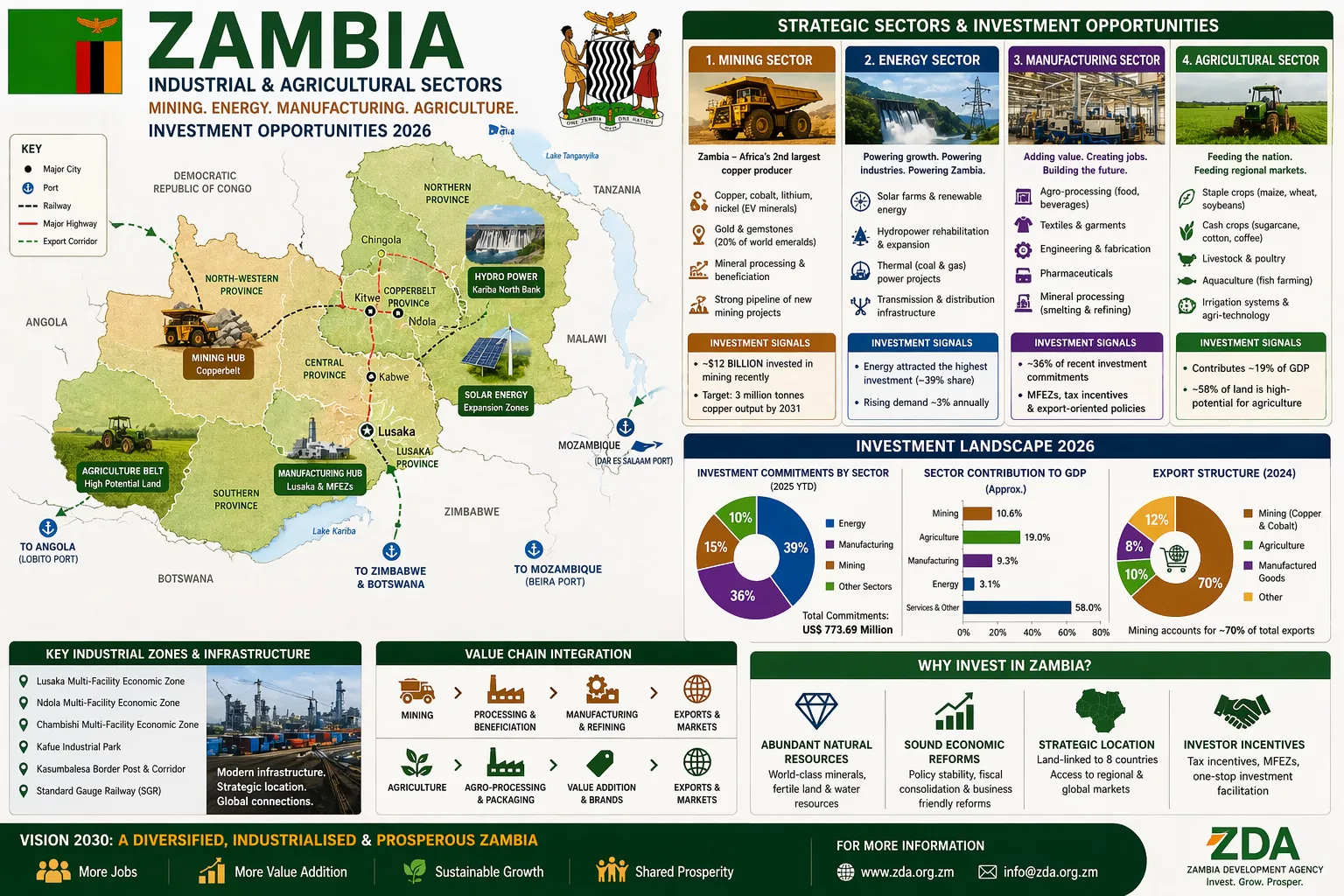
The current energy challenge in Zambia is creating a multi-layered investment opportunity across the entire value chain.
1. Renewable Energy Expansion
The most immediate shift is toward diversification.
Solar Energy
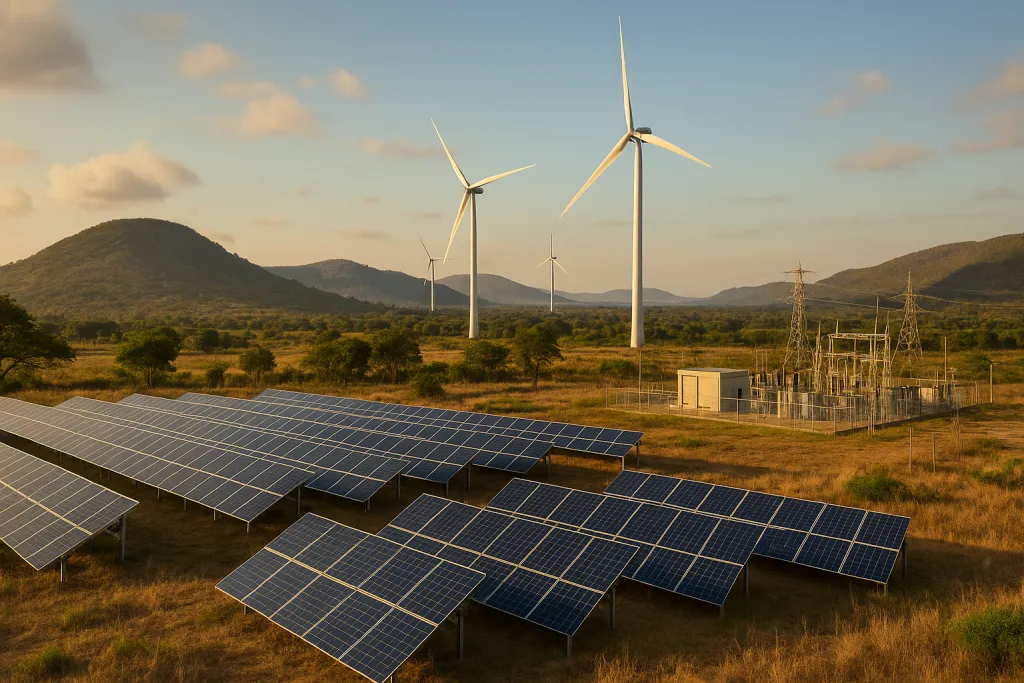
Zambia has strong solar irradiation potential, making solar power one of the fastest-growing segments.
Opportunities include:
- Utility-scale solar farms
- Commercial rooftop solar systems
- Hybrid solar-diesel solutions for industry
Wind and Emerging Alternatives
While still early-stage, wind mapping and pilot projects are expanding in select regions.
2. Grid Modernization and Transmission Infrastructure
Generation alone is not enough.
Critical investment gaps exist in:
- Transmission line upgrades
- Substation expansion
- Smart grid technology
- Loss reduction systems
A significant portion of generated electricity is lost due to outdated infrastructure.
3. Independent Power Producers (IPPs)
The rise of IPPs is reshaping Zambia’s energy market.
These projects typically involve:
- Private generation of electricity
- Long-term power purchase agreements
- Integration into the national grid
IPPs reduce government burden while increasing capacity.
4. Off-Grid and Mini-Grid Systems
Rural and peri-urban areas present strong opportunities for:
- Mini-grids
- Solar home systems
- Decentralized energy solutions
These models improve energy access while reducing pressure on the main grid.
The Role of Hydropower in a Diversified System
Despite current challenges, hydropower remains central to Zambia’s energy mix.
Facilities such as Kafue Gorge Dam continue to play a key role in base-load power generation.
However, the future is no longer about reliance, it is about balancing hydropower with alternative sources to manage climate risk.
Why Investors Are Paying Attention Now
Several structural shifts are driving renewed investor interest:
1. Energy Deficit Creates Guaranteed Demand
Unlike many sectors, energy demand in Zambia is not speculative, it is immediate and growing.
2. Policy Support for Private Participation
The government is increasingly open to:
- Private generation projects
- PPP energy models
- Foreign direct investment in power infrastructure
3. Industrial Recovery Depends on Power Stability
Manufacturing, mining, and agriculture all depend on reliable electricity.
Energy investment therefore indirectly supports every major sector of the economy.
4. Regional Export Potential
Energy surplus development can eventually support cross-border electricity trade within the region.
Risks in Energy Infrastructure Investment
Despite strong opportunities, risks must be carefully structured.
Climate Volatility
Hydropower dependence remains vulnerable to rainfall variability.
Capital Intensity
Energy projects require:
- High upfront investment
- Long payback periods
Regulatory Complexity
Tariff approvals, licensing, and grid access agreements can be complex.
Currency and Revenue Risk
Long-term contracts may be exposed to currency fluctuations unless properly structured.
Structuring Smart Energy Investments
Successful investors in Zambia’s energy sector typically use structured approaches:
Power Purchase Agreements (PPAs)
These provide:
- Long-term revenue certainty
- Reduced market risk
- Bankable project structures
Blended Finance Models
Combining:
- Development finance institutions
- Private equity
- Commercial debt
This reduces risk exposure.
Public-Private Partnerships (PPPs)
PPPs allow shared responsibility between:
- Government
- Private developers
- Utility companies
Offtake Security Mechanisms
Strong offtake agreements are critical for financing viability.
The Industrial Impact of Energy Investment
Stable energy supply has a multiplier effect across the economy.
It enables:
- Increased manufacturing output
- Mining sector expansion
- Agro-processing growth
- Digital infrastructure development
In essence, energy unlocks everything else.
The Strategic Shift: From Crisis to Opportunity
Zambia’s post-drought energy challenge is often framed as a crisis, but from an investment perspective, it is also a market restructuring event.
Old assumptions about stable hydropower dominance are no longer valid.
This creates space for:
- New entrants
- Innovative financing models
- Technology-driven solutions
Conclusion
Energy in Zambia is no longer a passive infrastructure sector, it is a strategic asset that determines the country’s economic trajectory.
The post-drought environment has exposed structural weaknesses, but it has also unlocked a significant investment frontier across generation, transmission, and decentralized systems.
For investors, the key insight is simple:
Those who enter early and structure correctly will not just participate in the energy market, they will help redefine it.
Call to Action
If you are evaluating infrastructure or energy investments in Zambia, now is the time to act strategically.
Focus on:
- Diversified generation models
- Bankable offtake agreements
- Long-term infrastructure positioning
Energy is no longer just about supply.
It is about economic control, industrial competitiveness, and future growth.